

ENTRY #1 : Time For the World To Turn
ENTRY #1 : Time For the World To Turn
Greenville, SC → Chicago, IL → Buenos Aires, Argentina → Montevideo, Uruguay
July - Sept 2026
Greenville, SC → Chicago, IL →
Buenos Aires, Argentina →
Montevideo, Uruguay
Aug - Sept 2026
From the Field
By the time you're reading this, I've been gone for about six weeks. Which is wild to type. It feels both much longer and somehow also like I blinked and it's October.
I've been wanting to write this first dispatch since I landed, but here's the thing about the first one: it has to do a lot of work. It has to explain where I am, what I'm doing, who I'm with, why any of this is happening — and also tell you about some of the moments that have already stopped me in my tracks. That's a lot to ask of one newsletter. I'm going to try anyway.
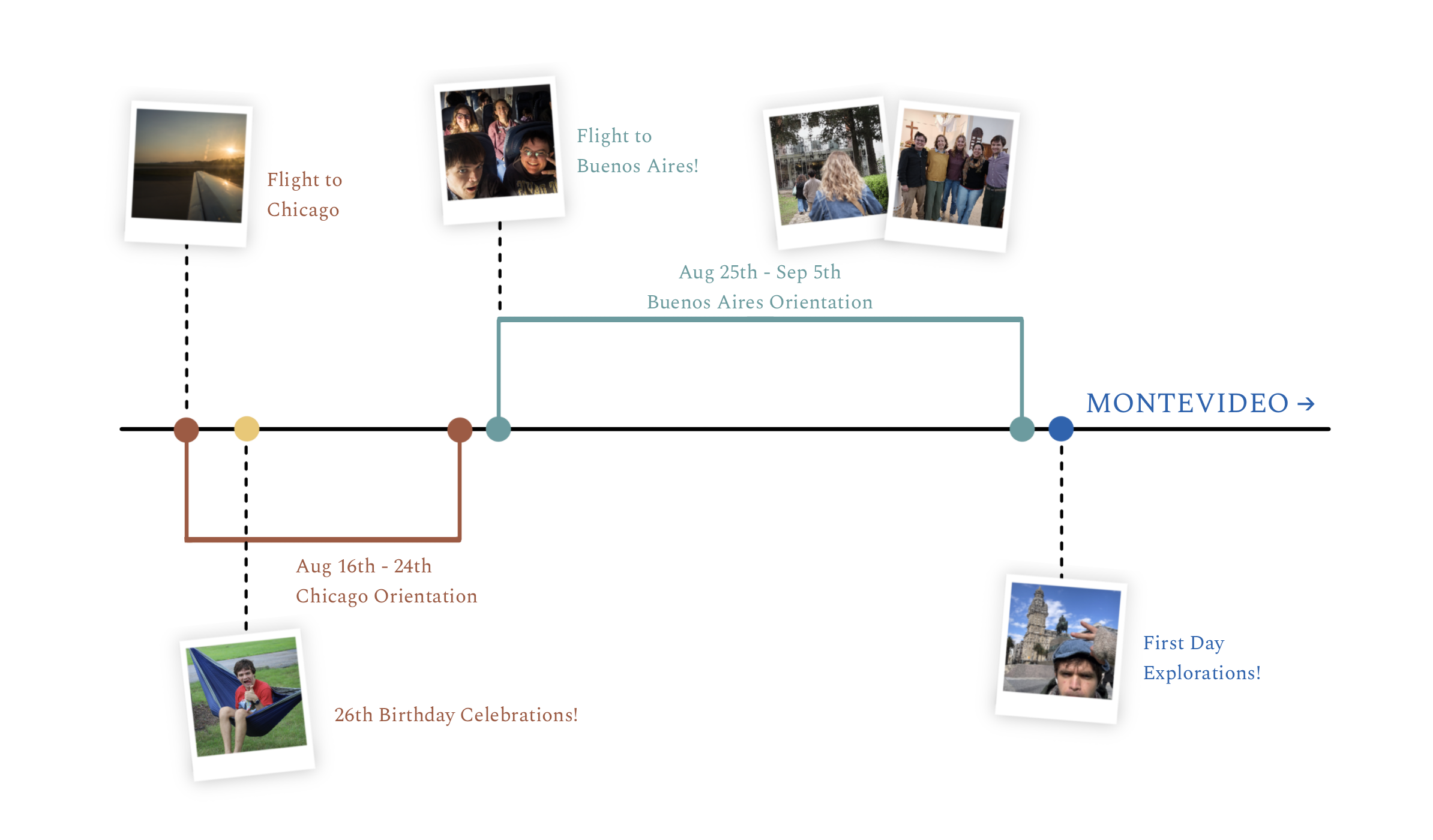
So here's the plan. Before I get into the stories, I want to give you a map — a quick timeline of where I've been and when, so you can follow along as we go deeper. Then we'll dig in.
Ready? Let's go.
FILED
Dispatch #1 - Montevideo, Uruguay
Briefing Panel
→ Introduction: For those who don't know me well
→ A timeline of everywhere I've been since August 16th (it's a lot)
→ Chicago: Where It All Begins
→ Buenos Aires: In-Country Orientation
→ Rincon Cultural: A.K.A. Culture Talk
→ Montevideo: The First 24 Hours
→ FAQ
→ Field Notes
→ Spotlight: Connection Points
→ Vocabulario del Despacho - Spanish Vocab Time
→ Story-time: The First Perfect Day
Introduction
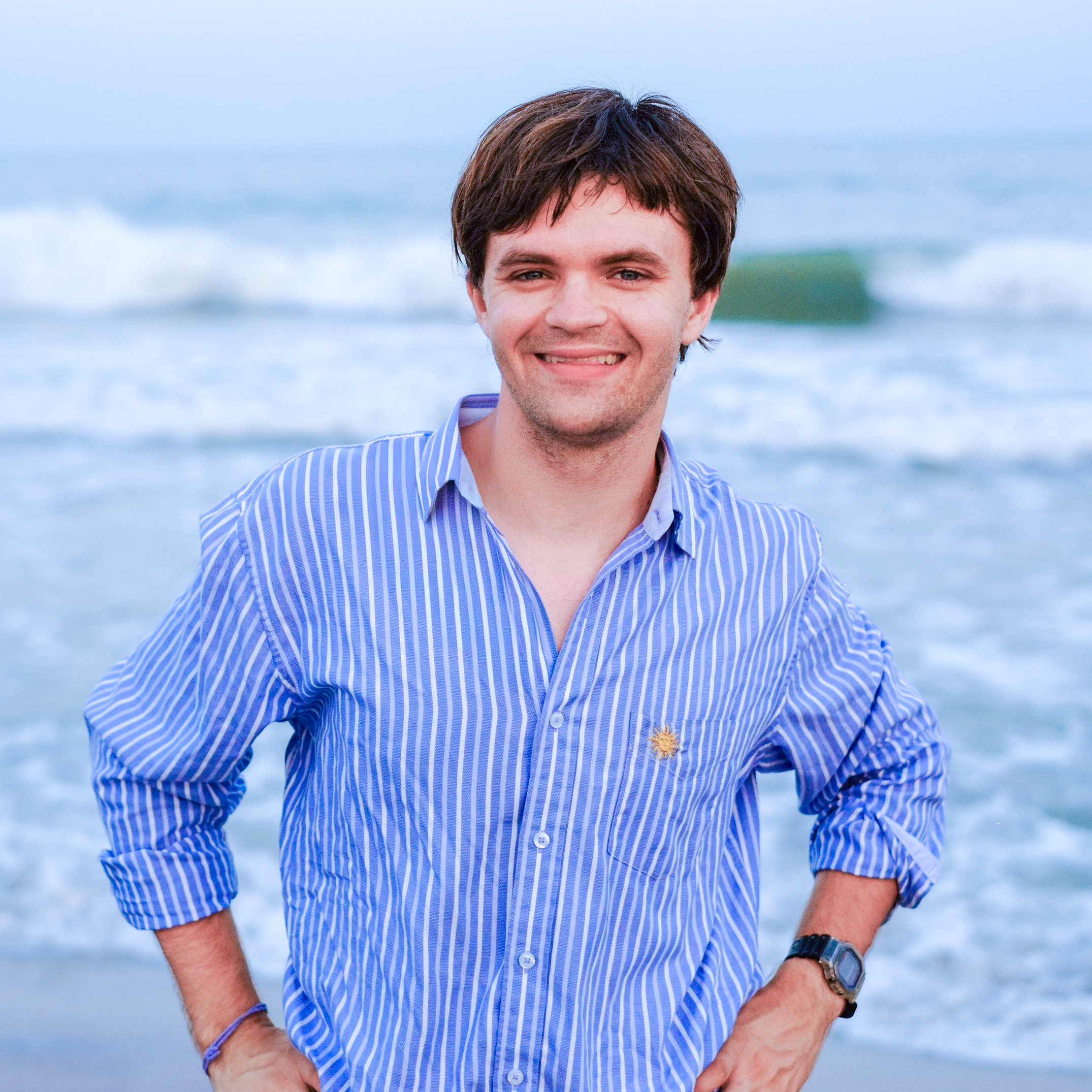
For those of you who don’t know me well, my name is Jack Wilcox and thanks for being here! I’m from Greenville, SC and I’ve been working as an Industrial Designer for the last few years in Raleigh NC. Before that I graduated from NC State studying the same thing and I’ve generally been artistic and creative my whole life. I grew up in the Lutheran Church and have really enjoyed staying connected and engaged with it throughout my adulthood: in campus ministry, working at camp, volunteering with Youth programs, and engaging young adult ministry. I’ve known about the Young Adults in Global Mission program for awhile and decided to finally pursue it after feeling ready for a change of pace after 3 years at my job and wanting to do it before having too many responsibilities that would prevent me from being able to do it. I, like many young adults, am still figuring out what the future holds for me and I’m trying to listen where God is calling me. I’m excited for this year away from the world that I’m used to, where I’ll have lots of time to reflect, grow, give myself time to just be, and see if I can figure out what’s next! Thanks for checking this out and please feel welcome to reach out to me at any point this year! WhatsApp or Email work best!
TIMELINE
〰️
TIMELINE 〰️
Chicago
Where It All Begins
Ever since DIP weekend in March, when we learned our placements, I had been excited to start my YAGM year, which all begins with orientation in Chicago. It was our main chance to be together as a full cohort before splitting up, and it reminded me of all the summer camp orientations I've been part of. Except this time, once it was over, we'd be scattered across the world rather than just in different cabin areas, each serving separately.
Before heading to our placement countries, we needed to think about what it means to represent YAGM, the ELCA, and the United States in the places we're going. That last one isn't a role any of us chose, and it carries real history, especially in Latin America. It also meant wrestling with the word "missionary." Historically, missionary work has often gone hand in hand with colonialism and the erasure of local cultures and faiths. The ELCA approaches this differently, through accompaniment: arriving to listen, learn, and walk alongside a community rather than to change it, and looking for where God is already at work. I don't think that's simple or something we get to declare ourselves good at, and it's something I expect to keep questioning all year.
We stayed at Casa Iskali, a Catholic retreat center in Chicago, with plenty of room to learn, worship, and take breaks outside. I slept outside every night in my hammock, which, if you know me, is an essential part of my packing. I'm grateful for the space and especially for the staff and alumni who put so much work into getting us ready. It feels like a great network to be part of, and I've looked up to this program and the people I know who've done it for a while now, so it's really something to finally be here.
Seeing the other YAGMs again at the airport, I could feel that we were ready. The whole week was full of excitement, some nerves, and appreciation for the time together. I didn't know anyone very well yet, but I knew that almost no one outside this group would understand what we're all going through as easily. That makes for fast friends, and I'm committed to keeping in touch all year.
Two days in, on August 18th, was my birthday, and I turned 26. My birthday tends to fall at a transition point, after the summer wraps up but right around the first day of school, and this year it landed during one of the few times we'd all be together. Even away from my closest friends and family, I was so grateful for the celebrations, including being sung to by the whole group alongside the gospel choir leading our worship that evening, followed by surprise cupcakes (thanks, Kayla, Brooke, and Mark!). Listen to the recording below! It’s one I won’t forget anytime soon, and I’m committed to helping celebrate everyone else's birthdays this year too.
The days throughout orientation were full. Some of my favorite times when it feels like you’ve experienced a month in a week’s time, and this was definitely that. We covered the YAGM handbook, simple living, cross-cultural communication, and addressing our own biases, along with some difficult sessions on the inequalities that exist in the world. Much of it was familiar to many of us, but this kind of work is never finished, and it was a good foundation for what's ahead.
Honestly, I was rather distraught as the goodbyes began. It was bittersweet to split up so quickly, but all of us were all headed toward what we came here to do and we couldn’t be more excited. My country cohort was the last to head out and got a chance to do sendoffs to everyone before we began our own journey to Buenos Aires.
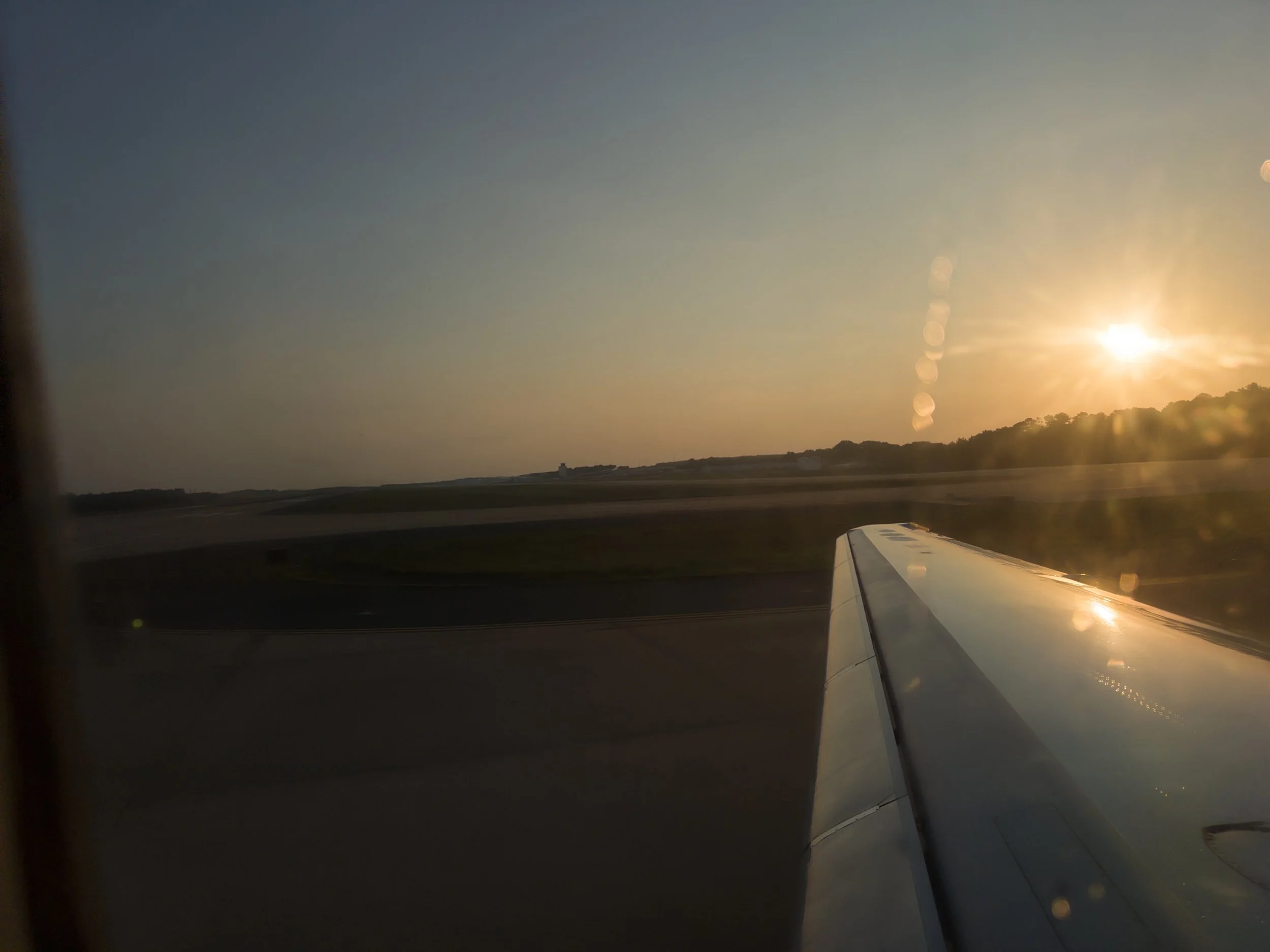
Bye Greenville!
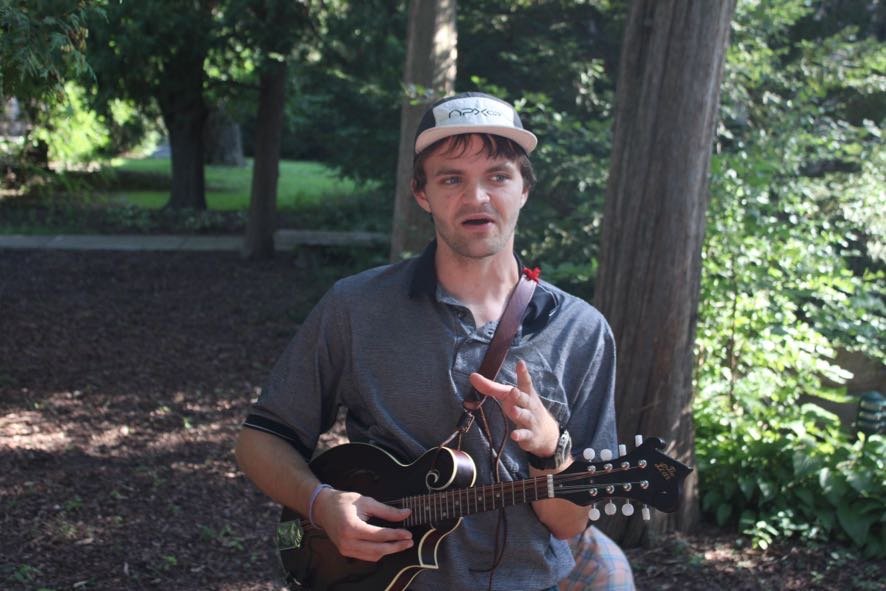
Looking Cool
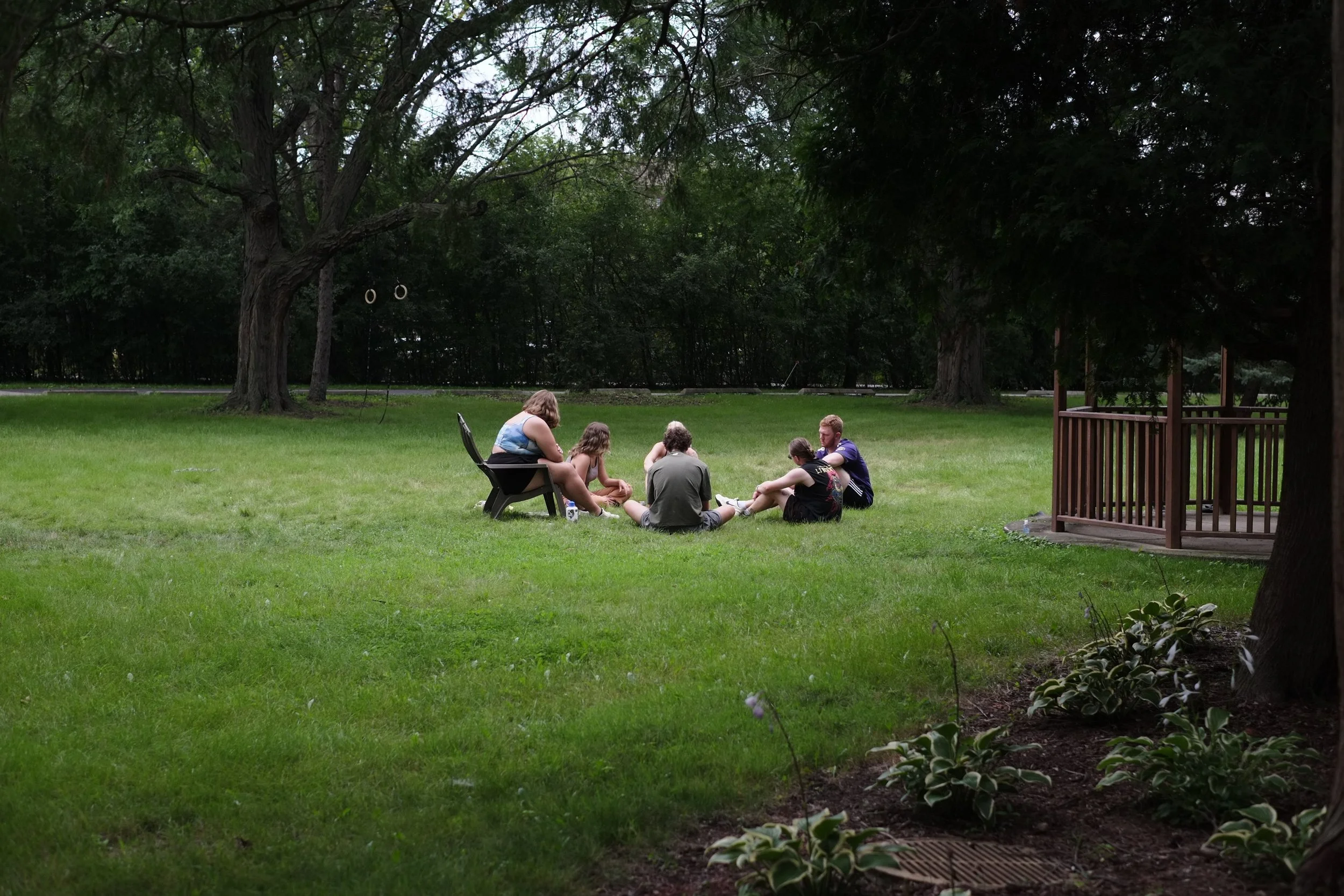
Small Groups
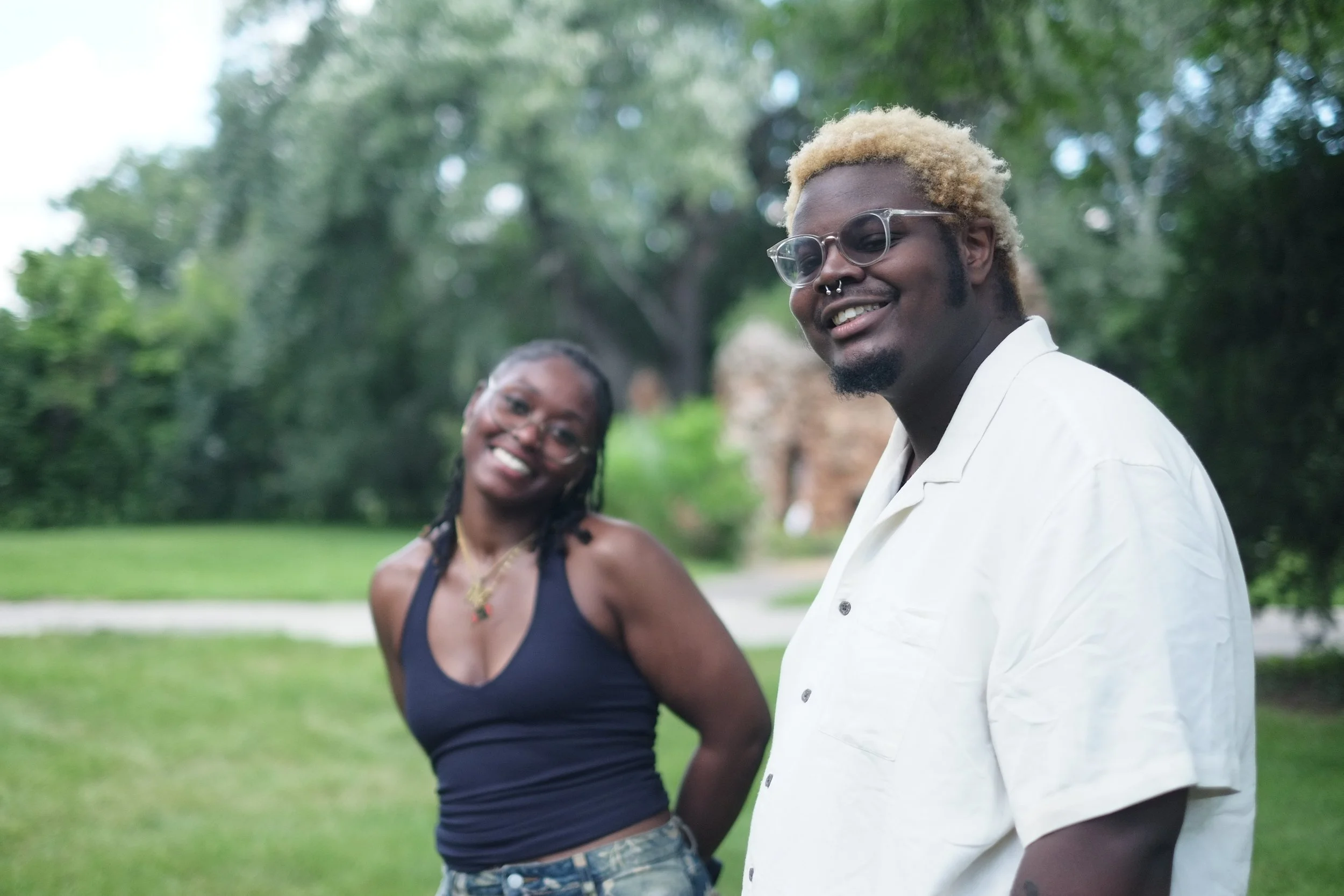
Joslyn and JJ
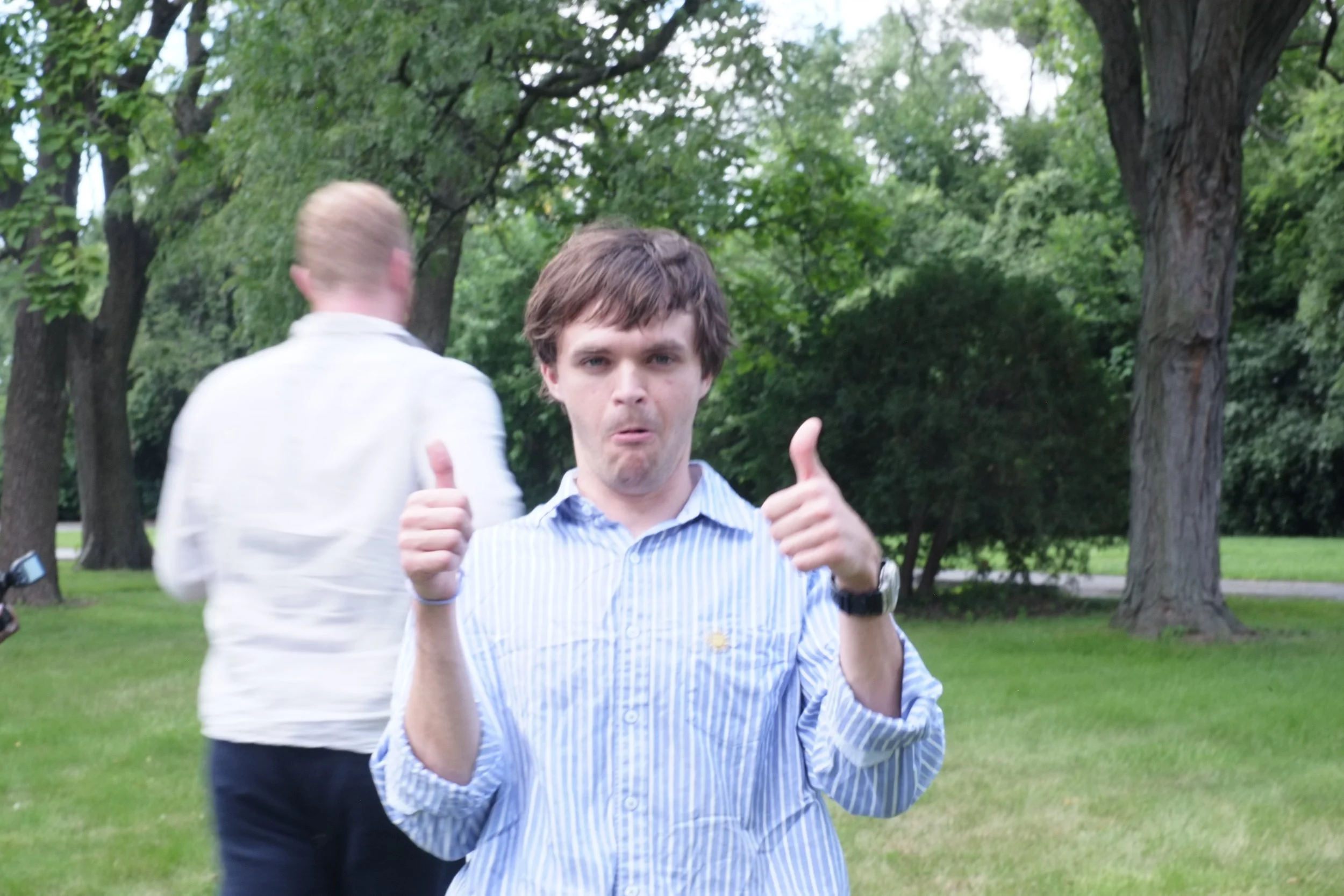
Picture Day in my Uruguay shirt!
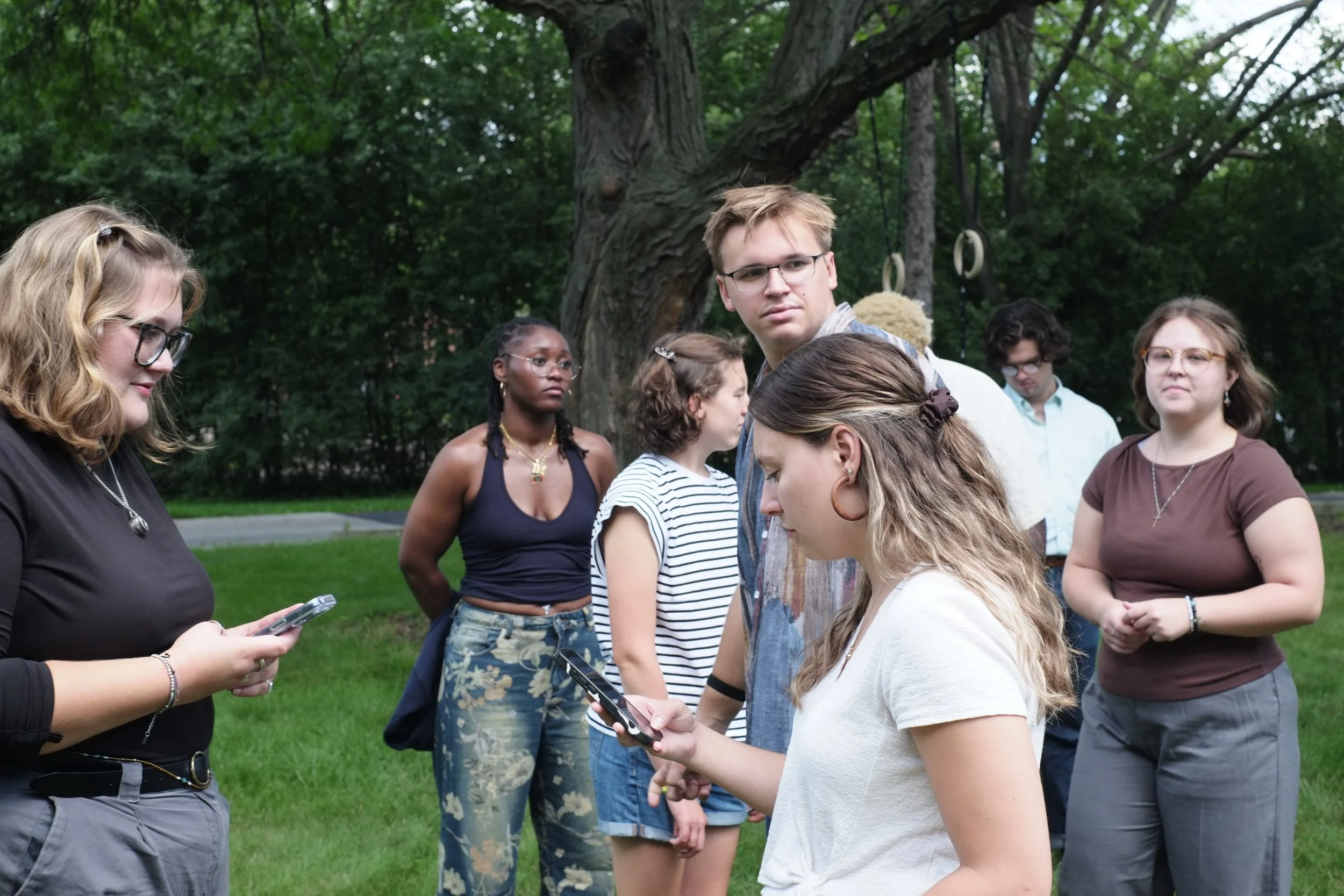
Picture Day
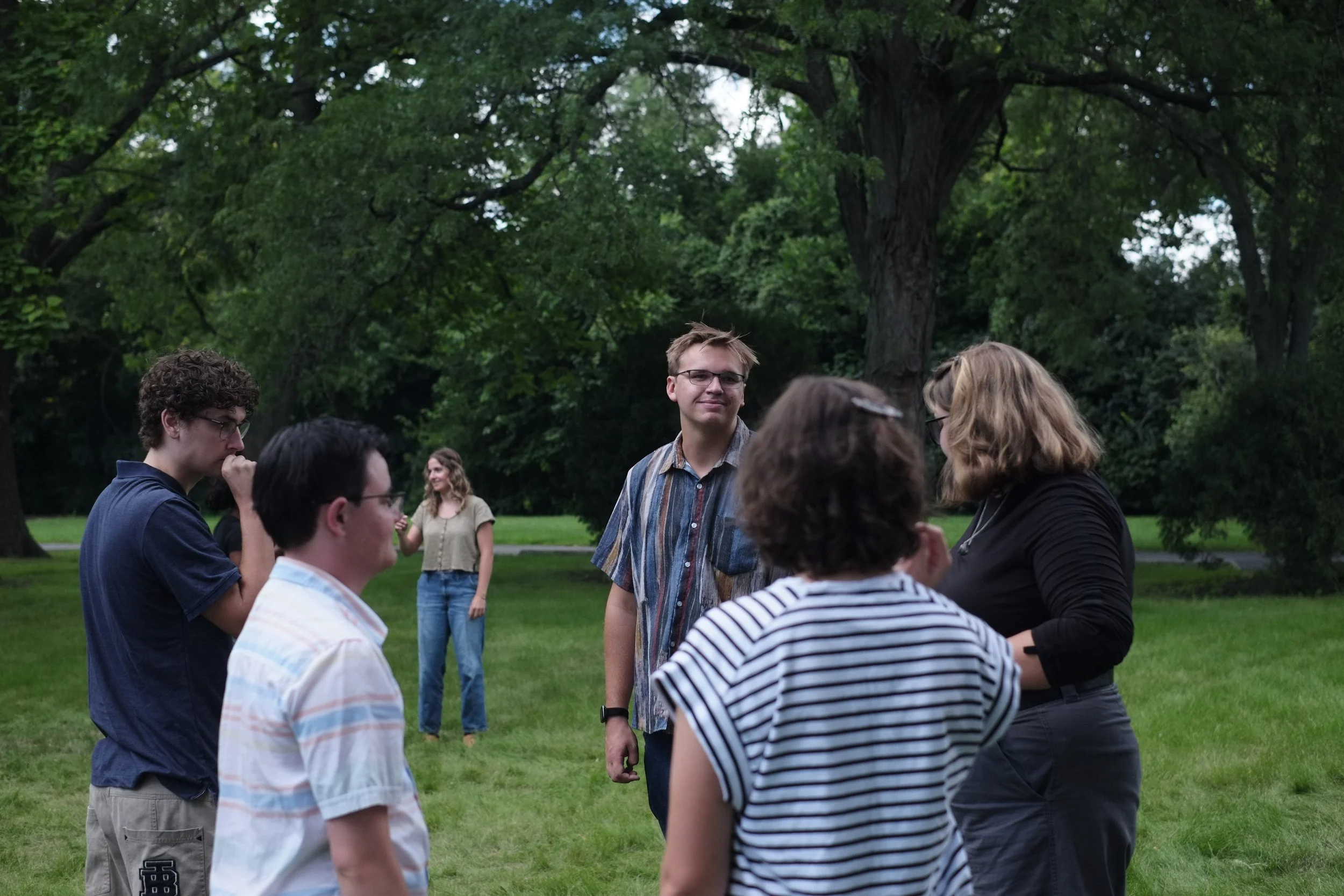
Picture Day
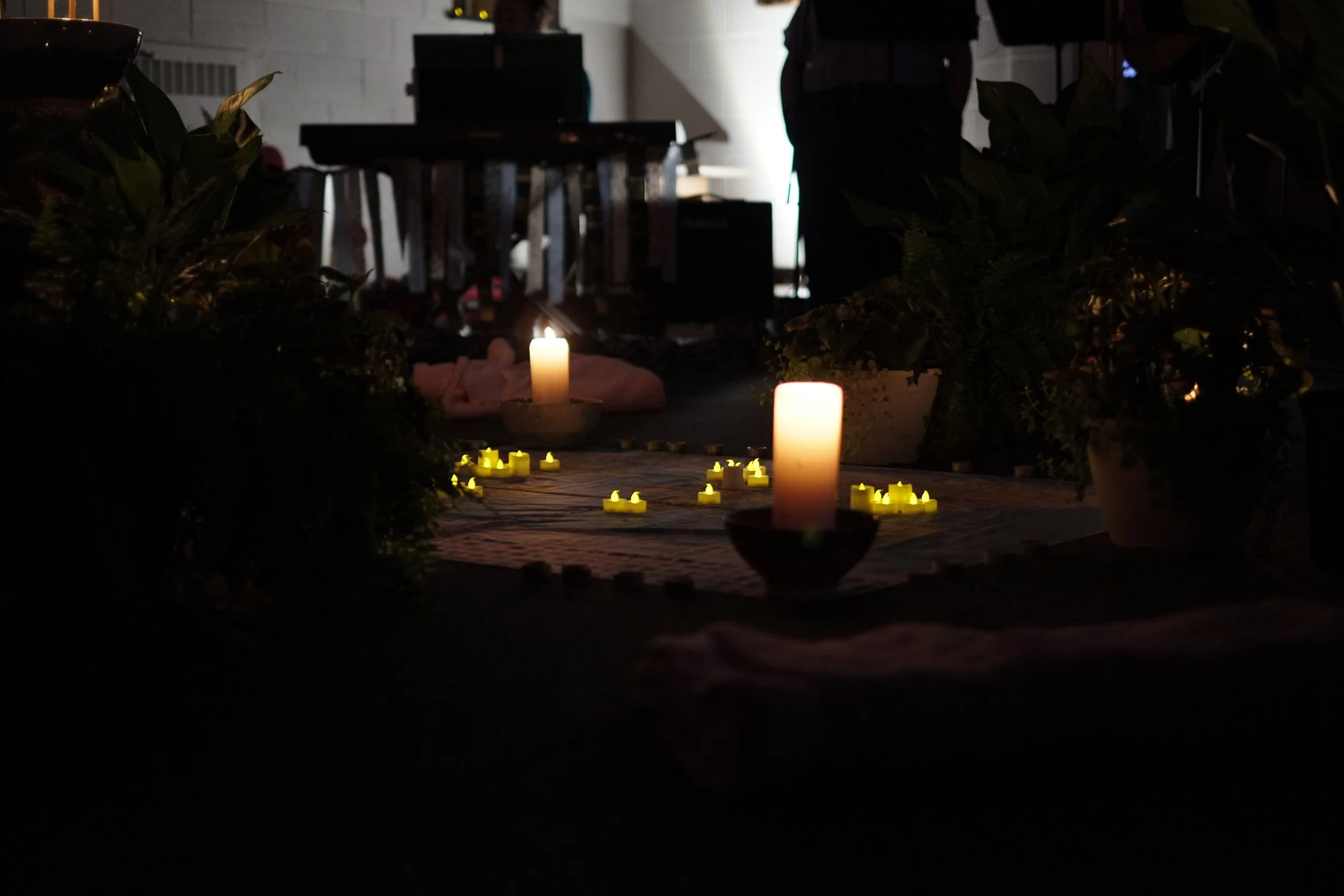
Vespers
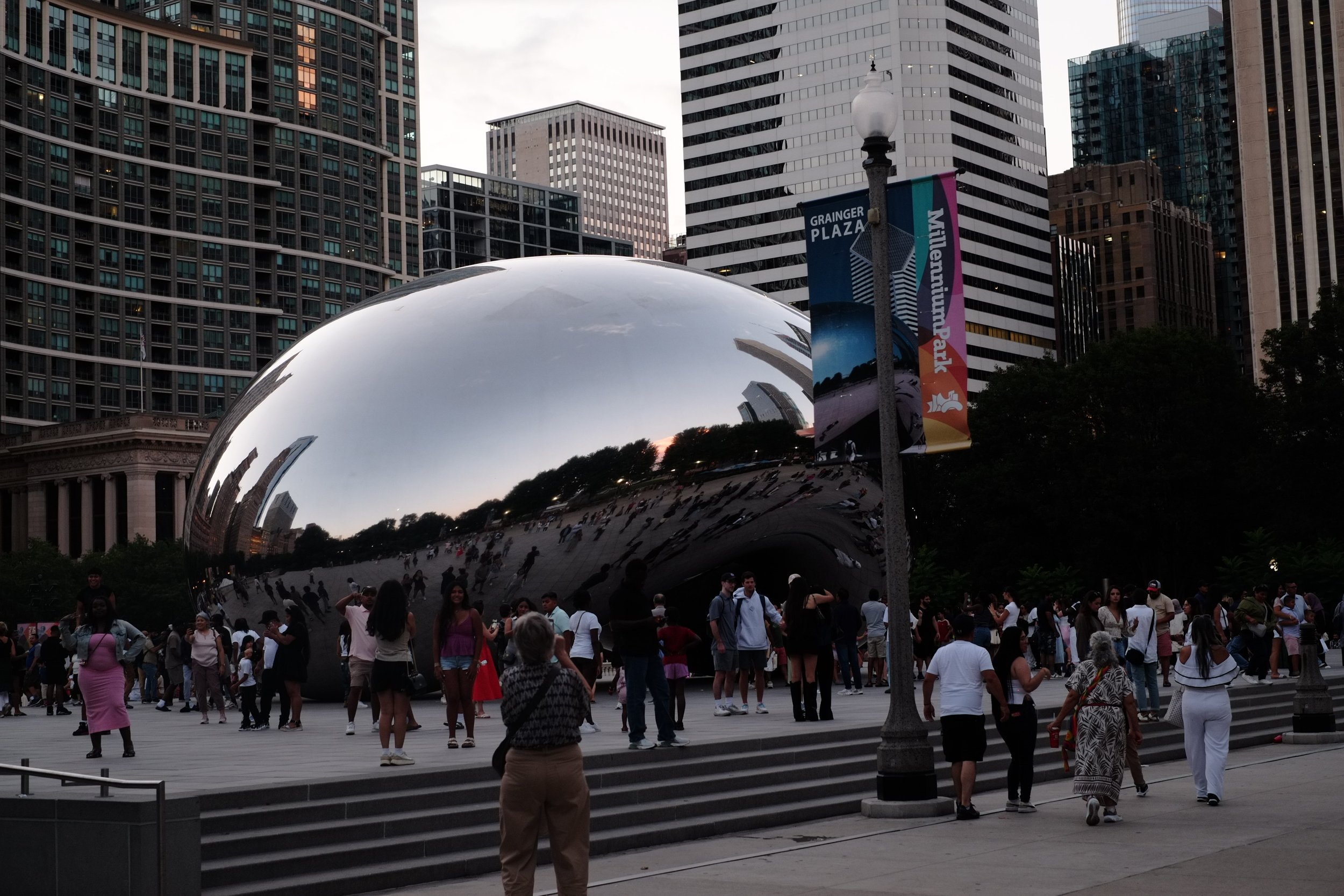
The Bean!
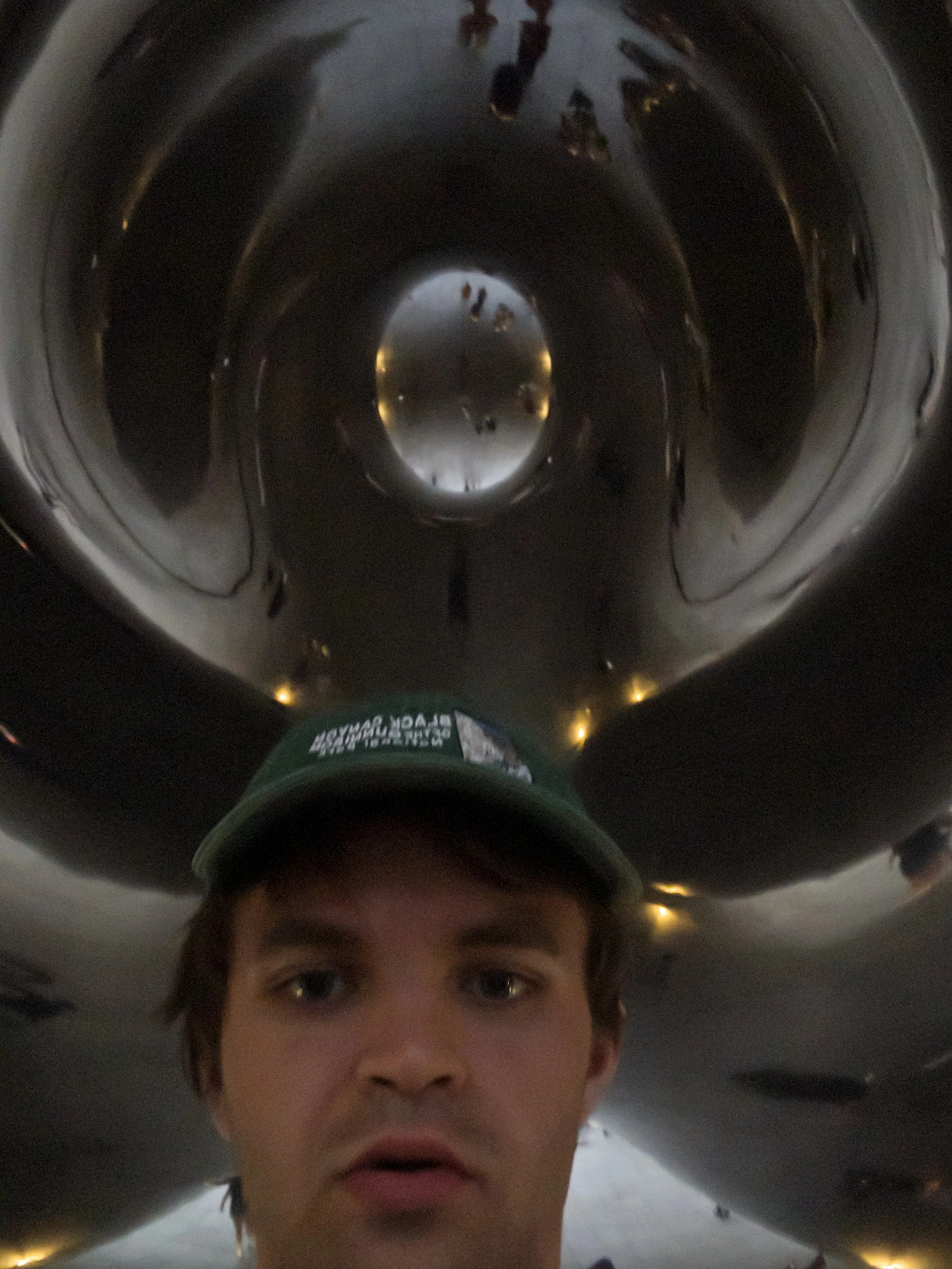
NOT what I expected the inside to look like
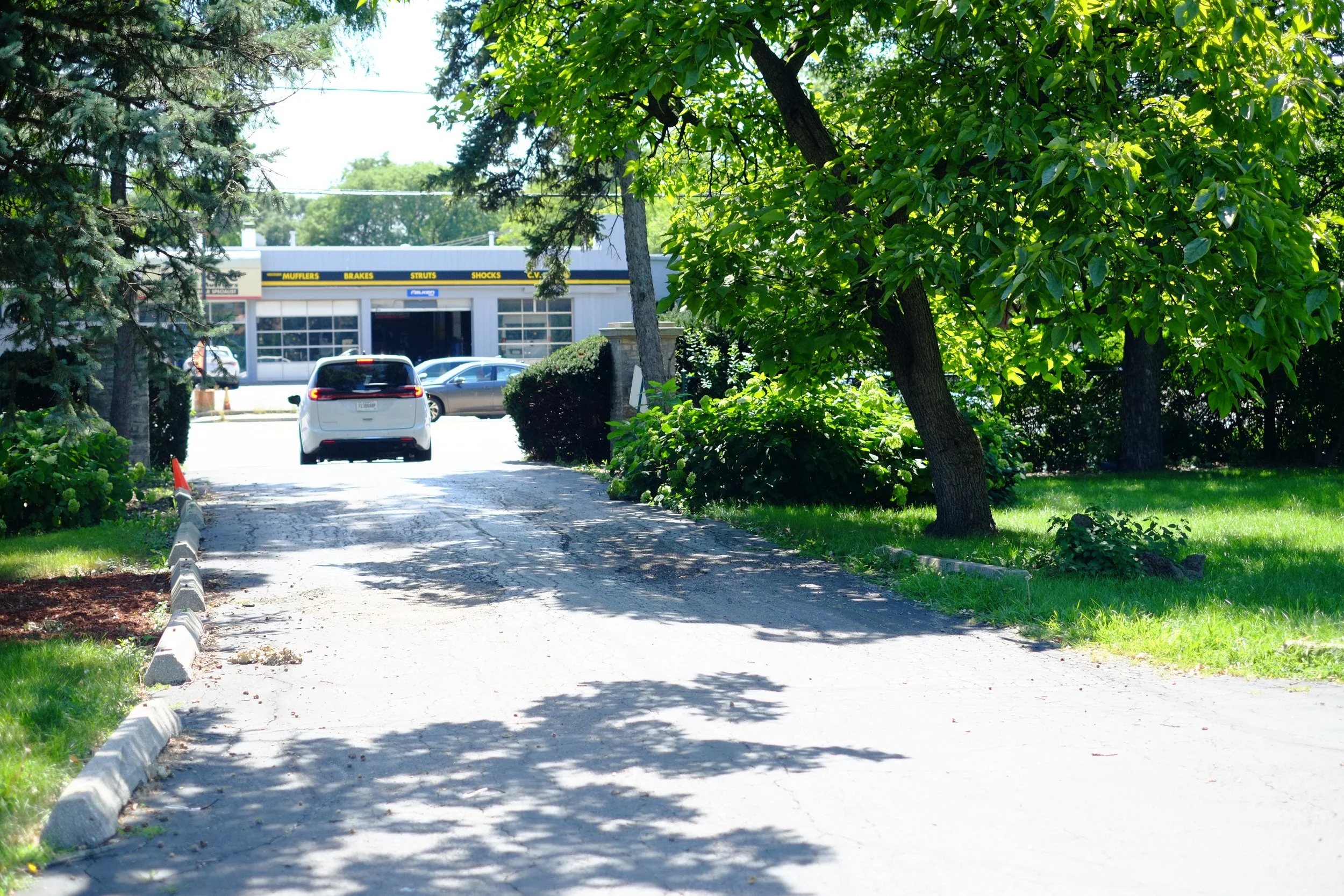
The view of saying goodbye to everyone as they left for the airport
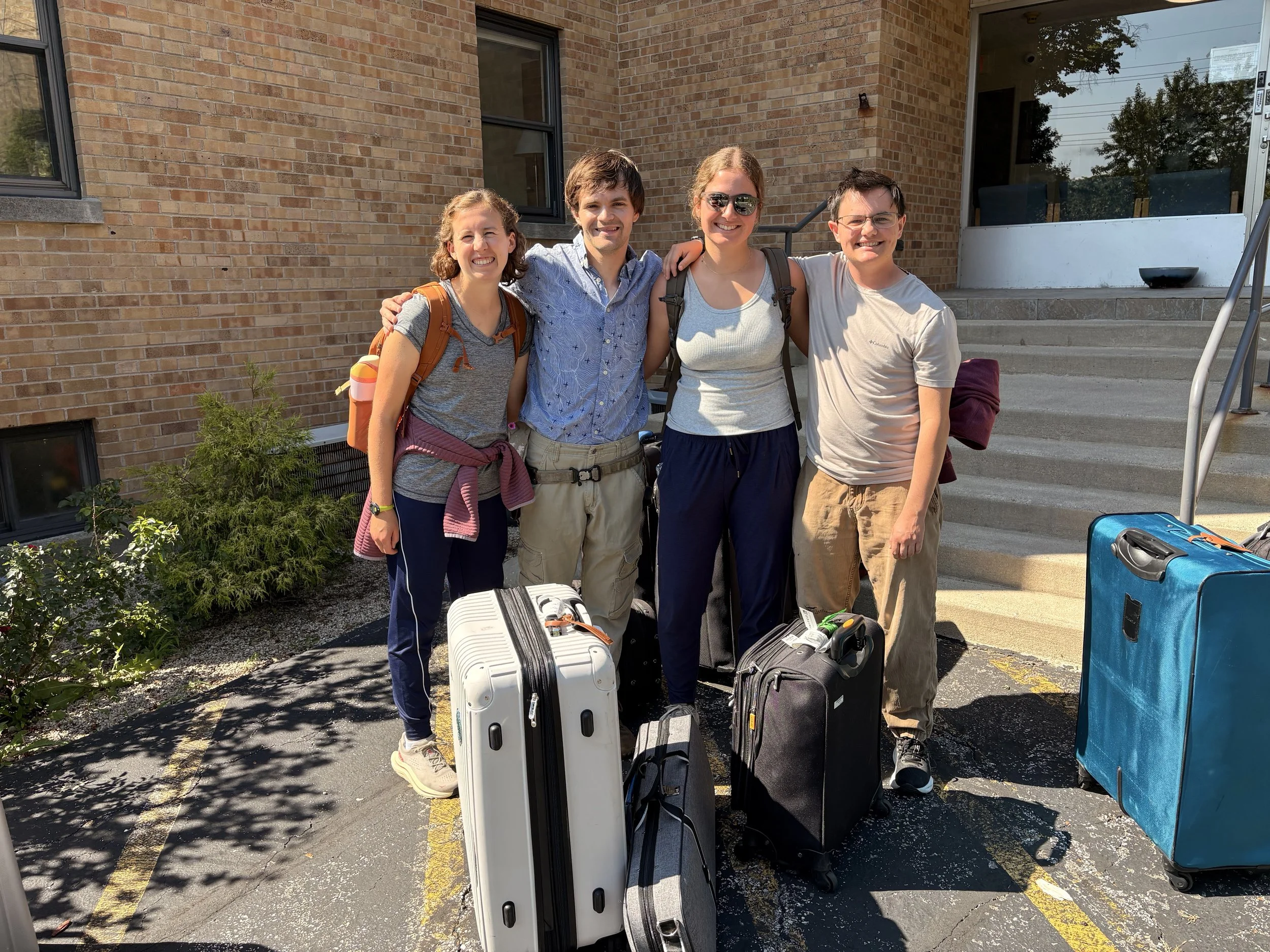
Argentina and Uruguay cohort ready to roll!
Buenos Aires
In Country Orientation & History
Buenos Aires in late August is cool, overcast, and enormous in a way that takes a few days to settle into. Switching straight into late winter has been one of the stranger parts of the transition. We spent nearly two weeks in in-country orientation, and I'm so grateful for that time with my cohort and our country coordinator, Paola. James, Sarah, Meghan, and I make up the Argentina/Uruguay group this year, and I'm lucky to be alongside such cool people who are here for the right reasons and are just as ready to get out into their placements.
To be clear about how this works: this isn't a study-abroad-style group experience. From orientation, each of us is sent to a different community, and in most cases we'll be the only U.S. volunteer there. James and Sarah will live in separate communities within Buenos Aires, Meghan is headed to Oberá in Misiones, in Argentina's north near the borders with Brazil and Paraguay, and I'm crossing into another country entirely: Montevideo, Uruguay.
Orientation covered logistics, language practice, and finding our bearings in the city, along with plenty of food and a lot of history. We also connected with the Lutheran church called IELU (Iglesia Evangélica Luterana Unida), which serves congregations in both Argentina and Uruguay. It's small compared to the ELCA in the United States, but mighty in its commitments to justice and is rather ahead of the game in terms of the work it does and the progress it’s made.
Paola introduced us to the context here in layers we dug deeper into as we went throughout orientation. Being a good participant in a new place starts with understanding the history people carry with them, and with setting aside the assumptions we arrive with, including the ones shaped by how Argentina shows up in U.S. headlines.
One of those layers was the last military dictatorship (1976–1983), the most recent of roughly 7 periods of military rule in Argentina's 20th century. Its central method was forced disappearance: people were abducted, held in secret detention centers, and never returned. Human rights organizations estimate around 30,000 were disappeared. This isn't distant history. Many people here lived through it, and it shapes families, politics, and public life today. Uruguay also lived through its own dictatorship around that time (1973–1985) alongside many other countries in South America.
To help us begin to understand, we watched La historia oficial (The Official Story), one of Argentina's two Oscar-winning films, which I highly recommend. It follows a woman who slowly can no longer ignore what's happening around her, and it includes the Abuelas de Plaza de Mayo, the grandmothers who searched, and still search, for their disappeared children and the grandchildren born in captivity. We also visited the Museo Sitio de Memoria ESMA, a site at a former Navy school where thousands of people were detained and most were killed. The site has been preserved as it was, rather than ruins or a gallery of artifacts. Moving through it, from the attic where prisoners were held, to the basement where people were brought in, to the darkroom where secret additional portrait prints were made and smuggled out serving as the proof of everyone who was involved, the space reveals more with every step. It was powerful and one of the places that got me thinking the most since I’ve been here.
This is only a small surface-level piece of a much bigger picture. What I'm beginning to understand is that Argentina's present, including its economic struggles, can't be separated from a long history that includes colonialism, foreign intervention, and unequal global systems, in which the U.S. played a real role. I'm sure I have more to learn, and I'm trying to hold that with humility rather than draw quick conclusions.
I came out of orientation with lots of questions about how Uruguay compares to what we'd learned about Argentina, and a few sessions focused on Uruguay helped. By the end of the two weeks, we were all ready to head to our placements. I was personally excited for another stamp in my passport and a ferry ride across the Río de la Plata!
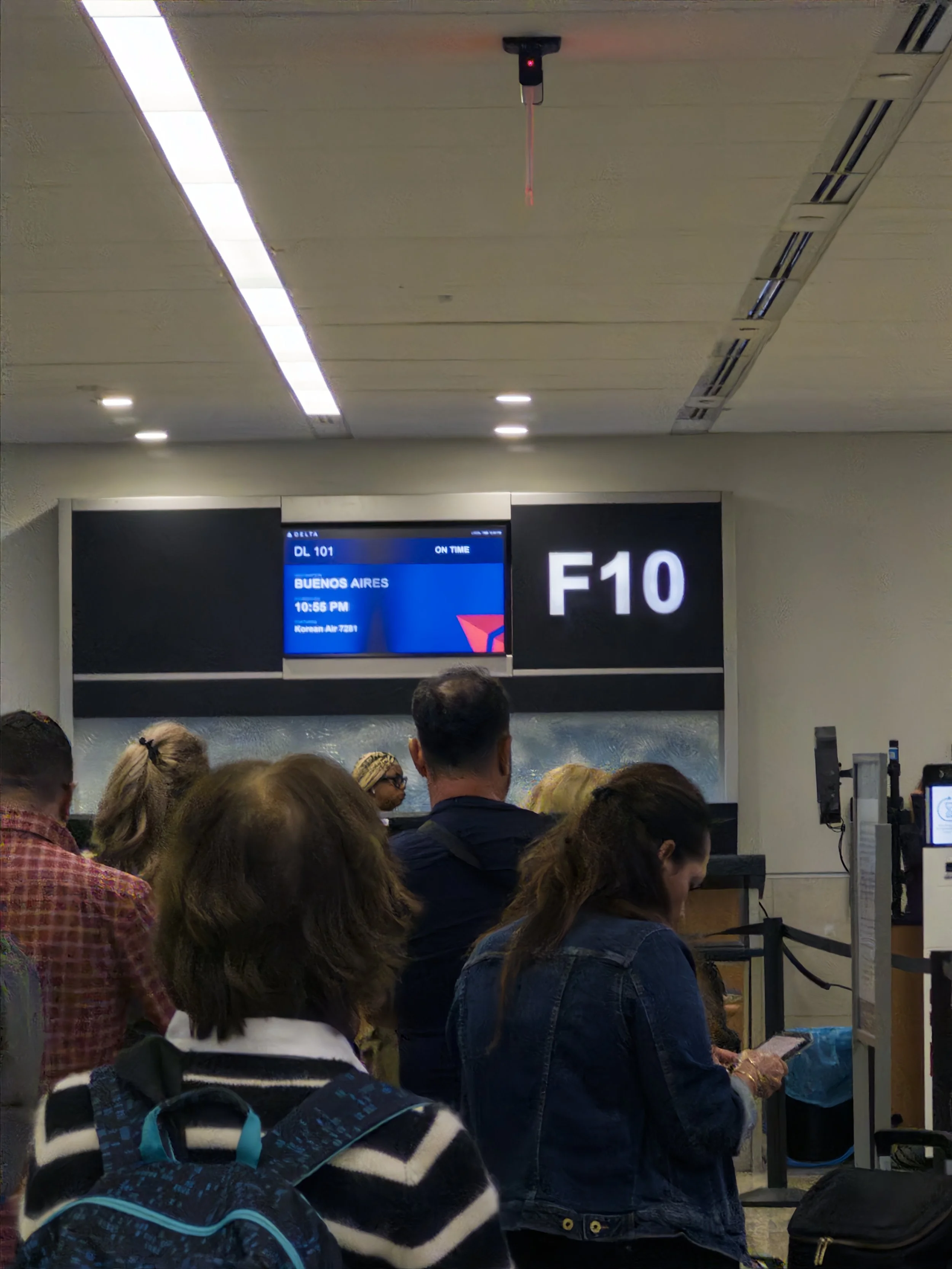
Here we go!
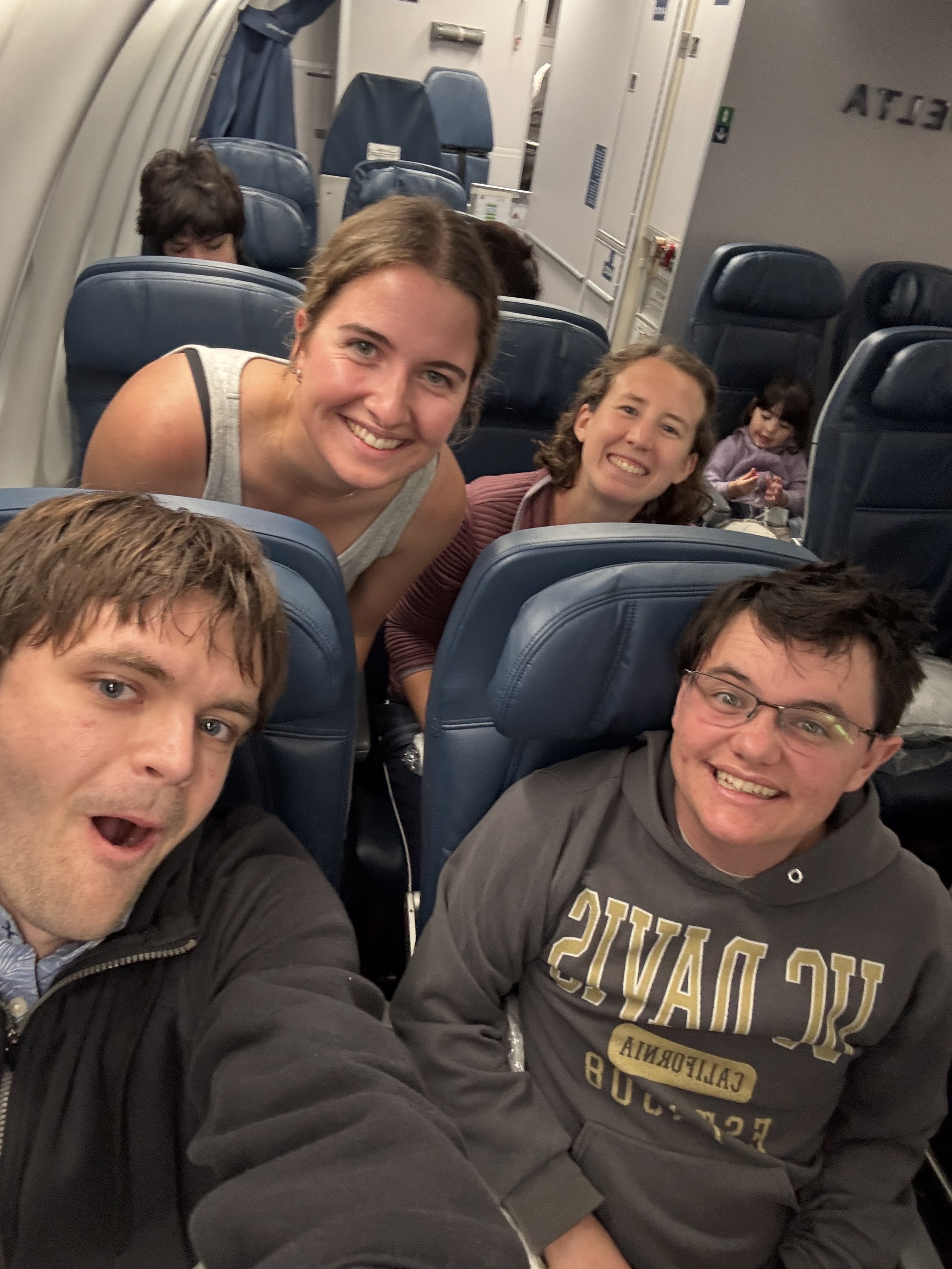
Before 10hr Flight
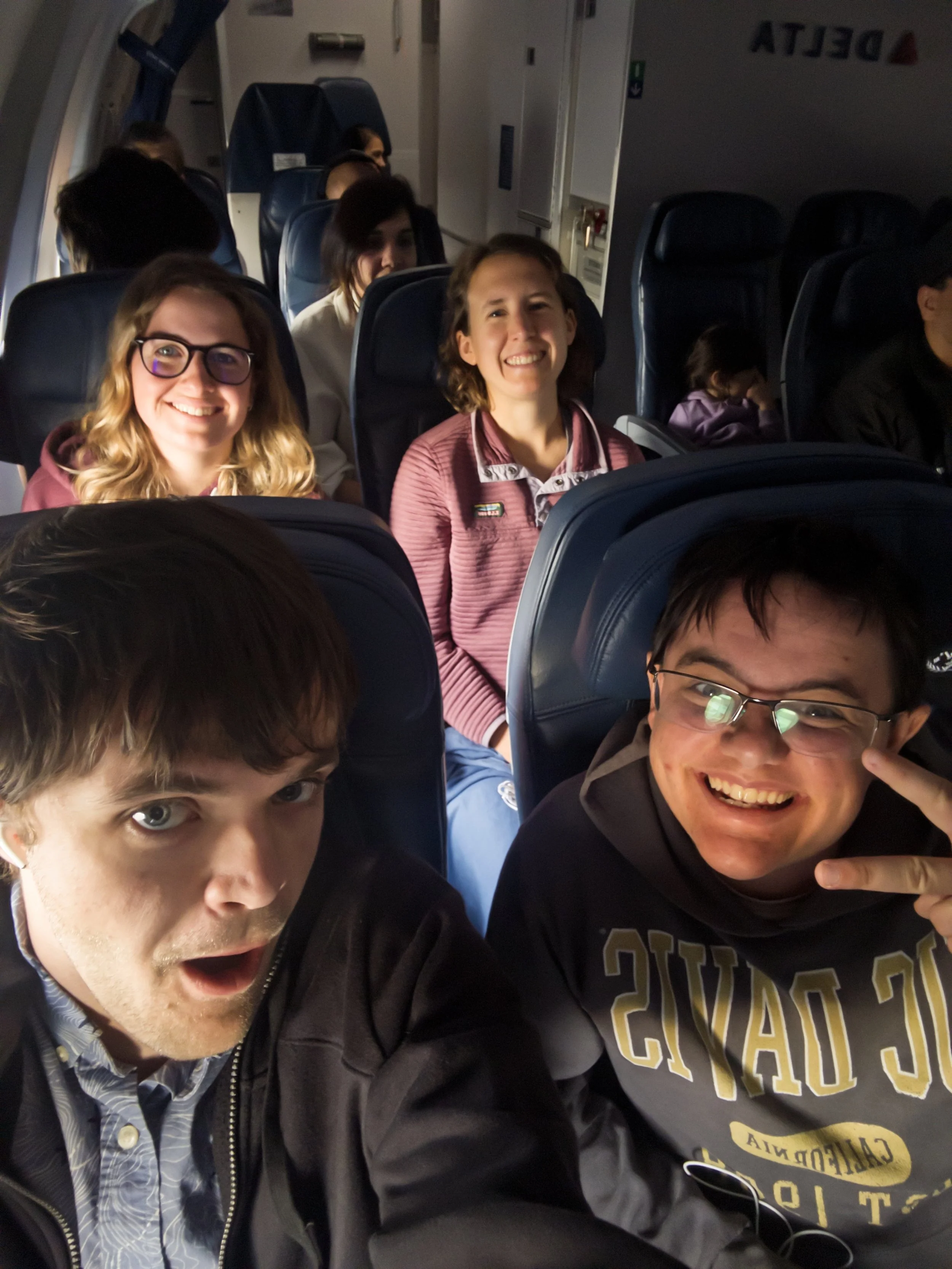
After 10hr Flight
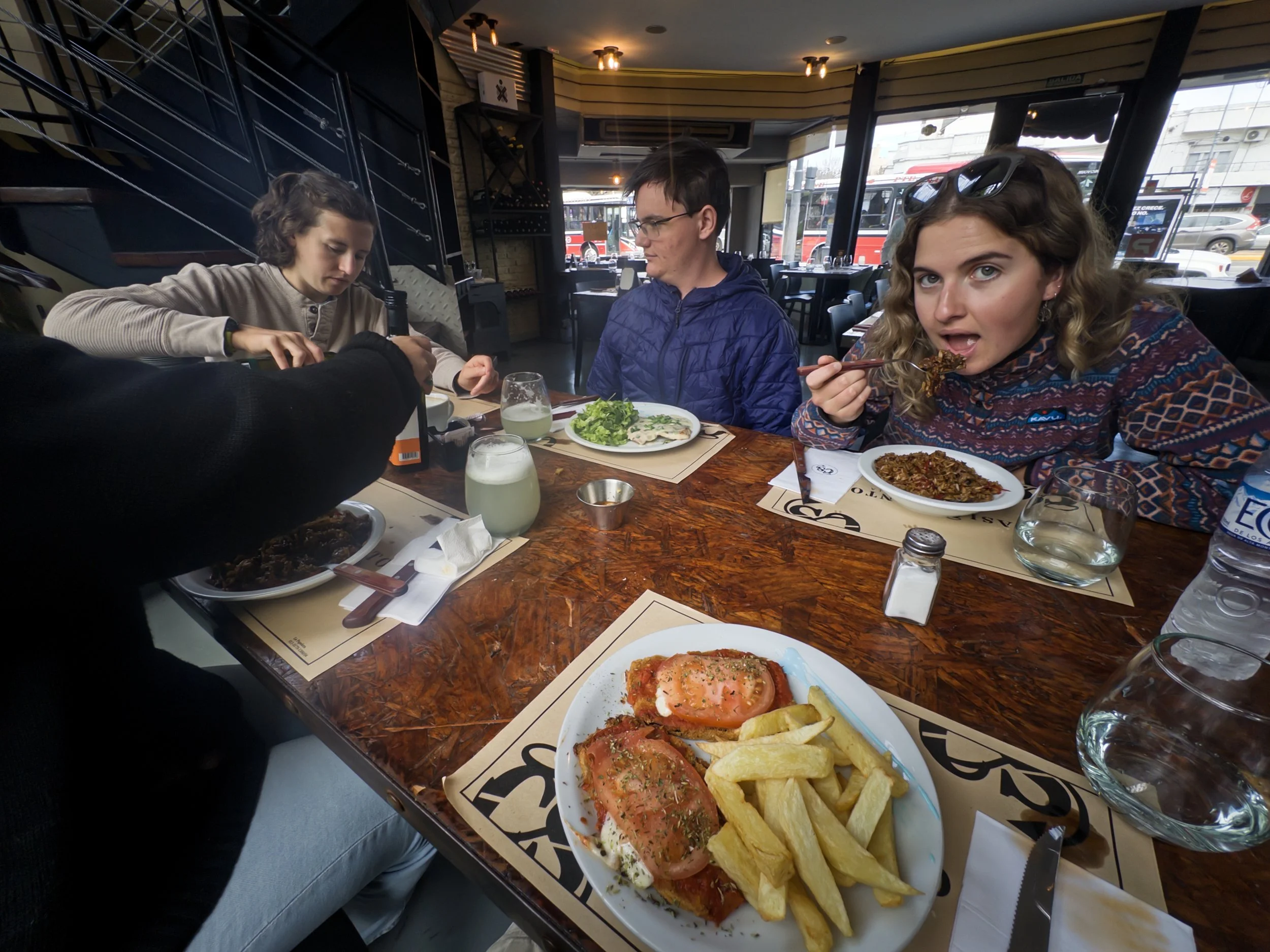
First Meal
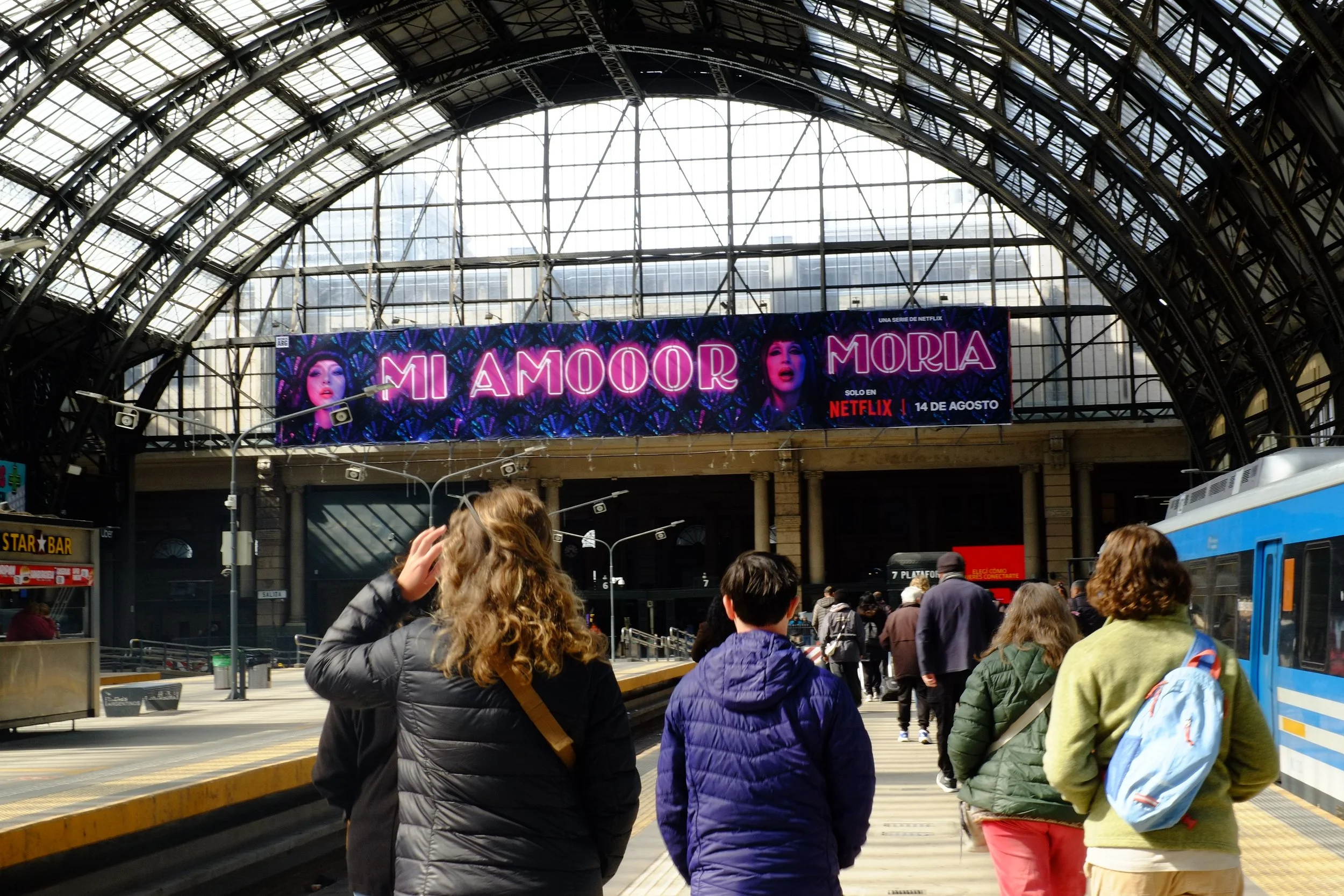
Retiro (The Main Train Station)
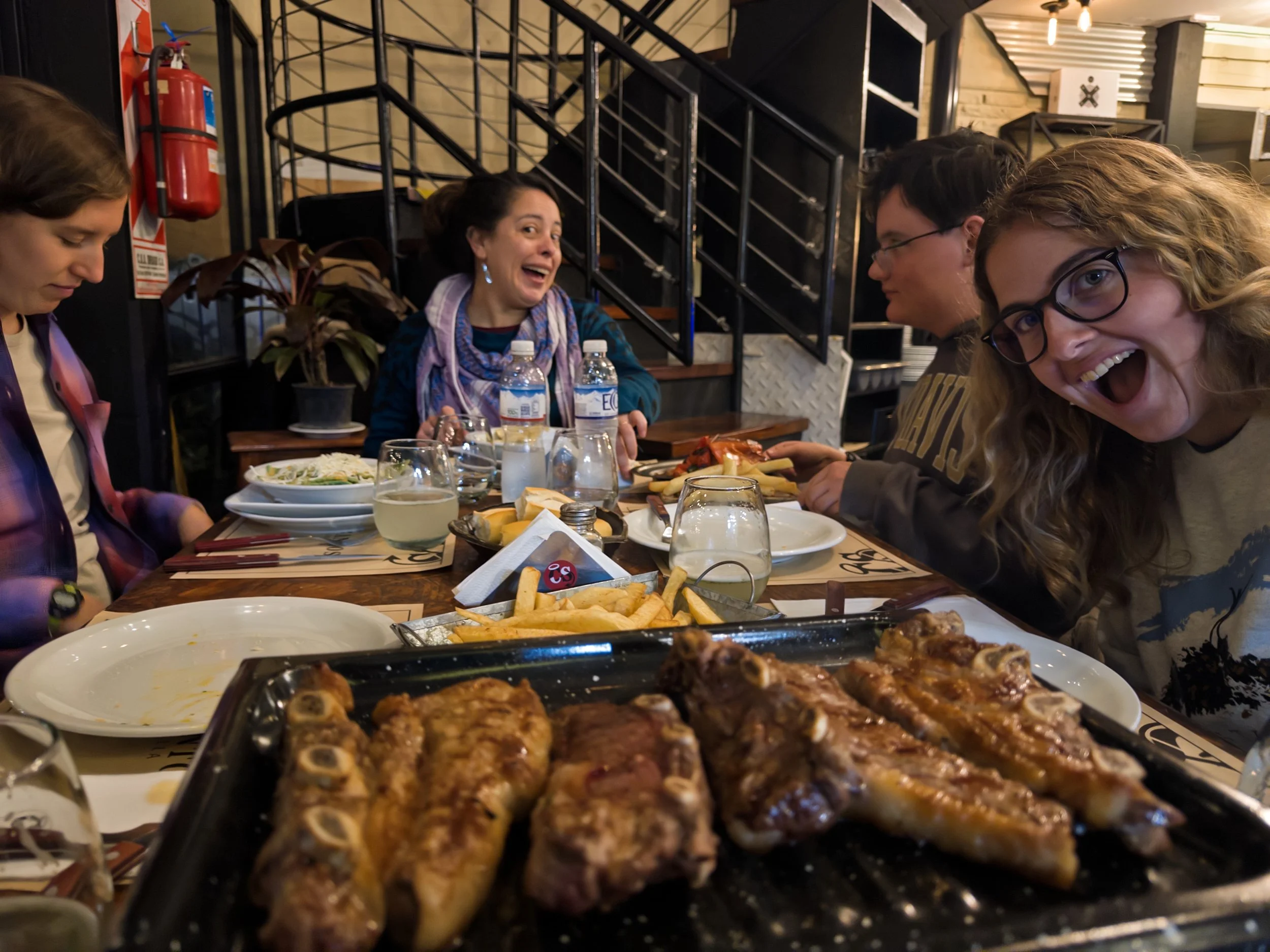
First Asado!
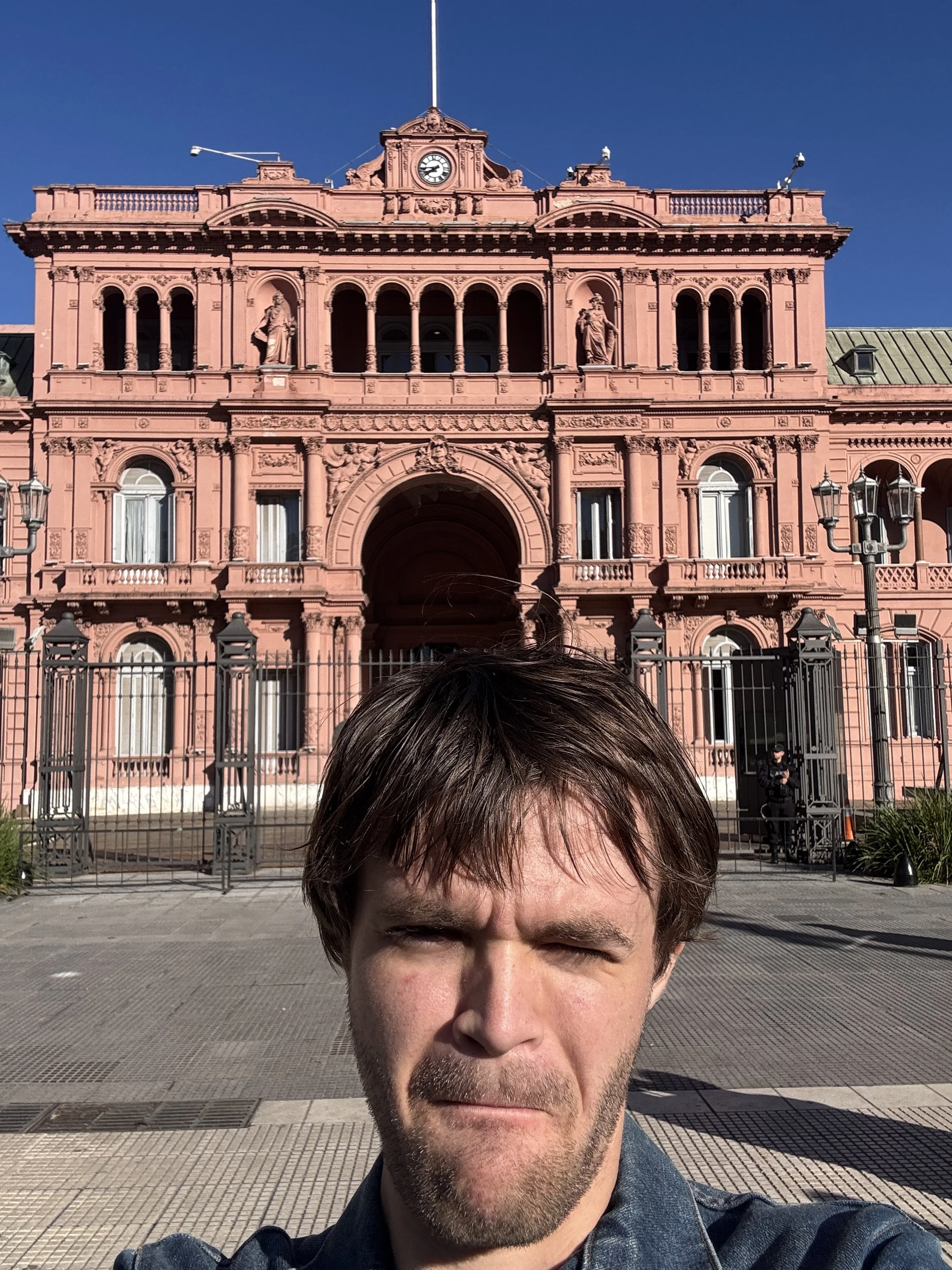
Their White House is Pink!
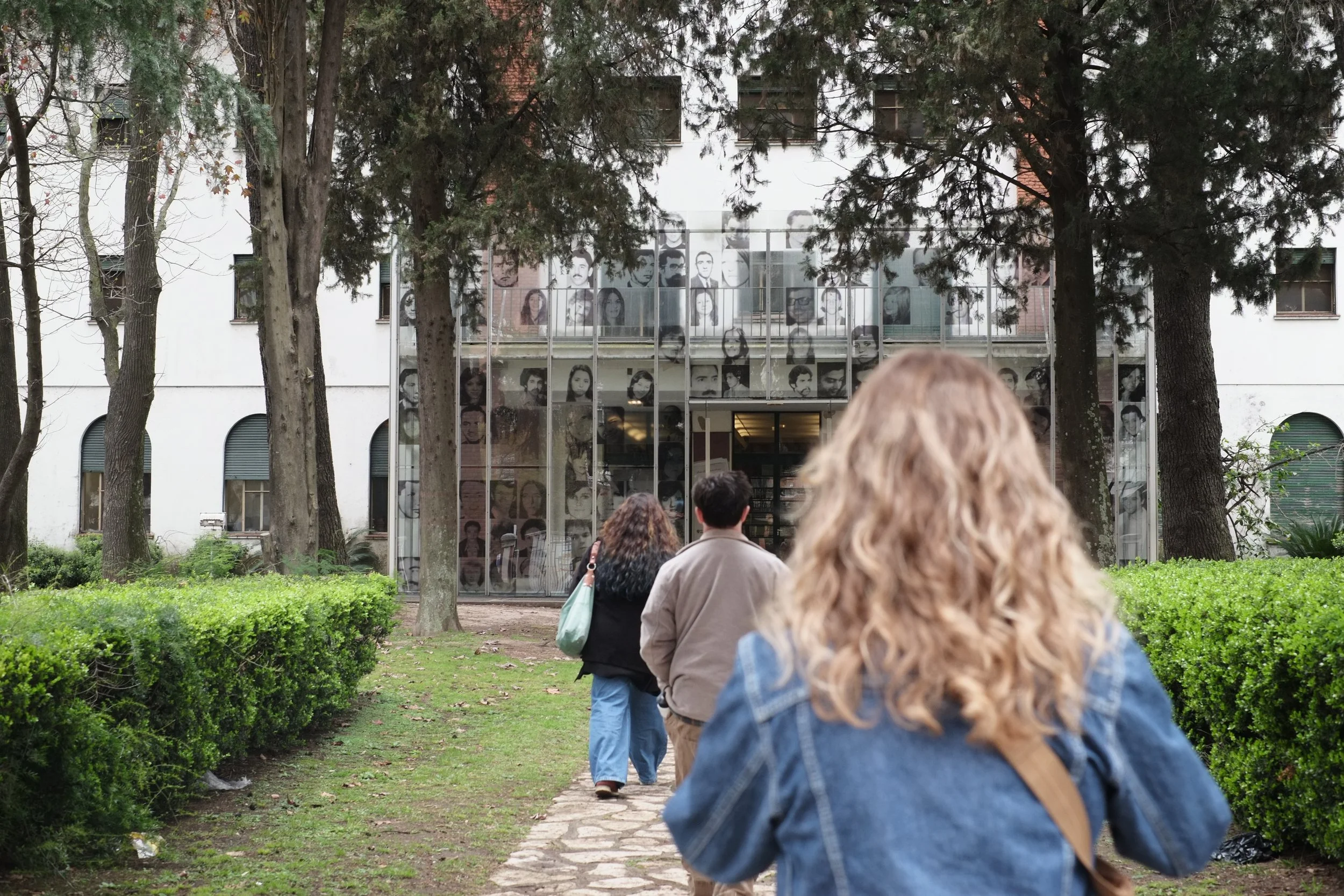
Museo Sitio de Memoria ESMA
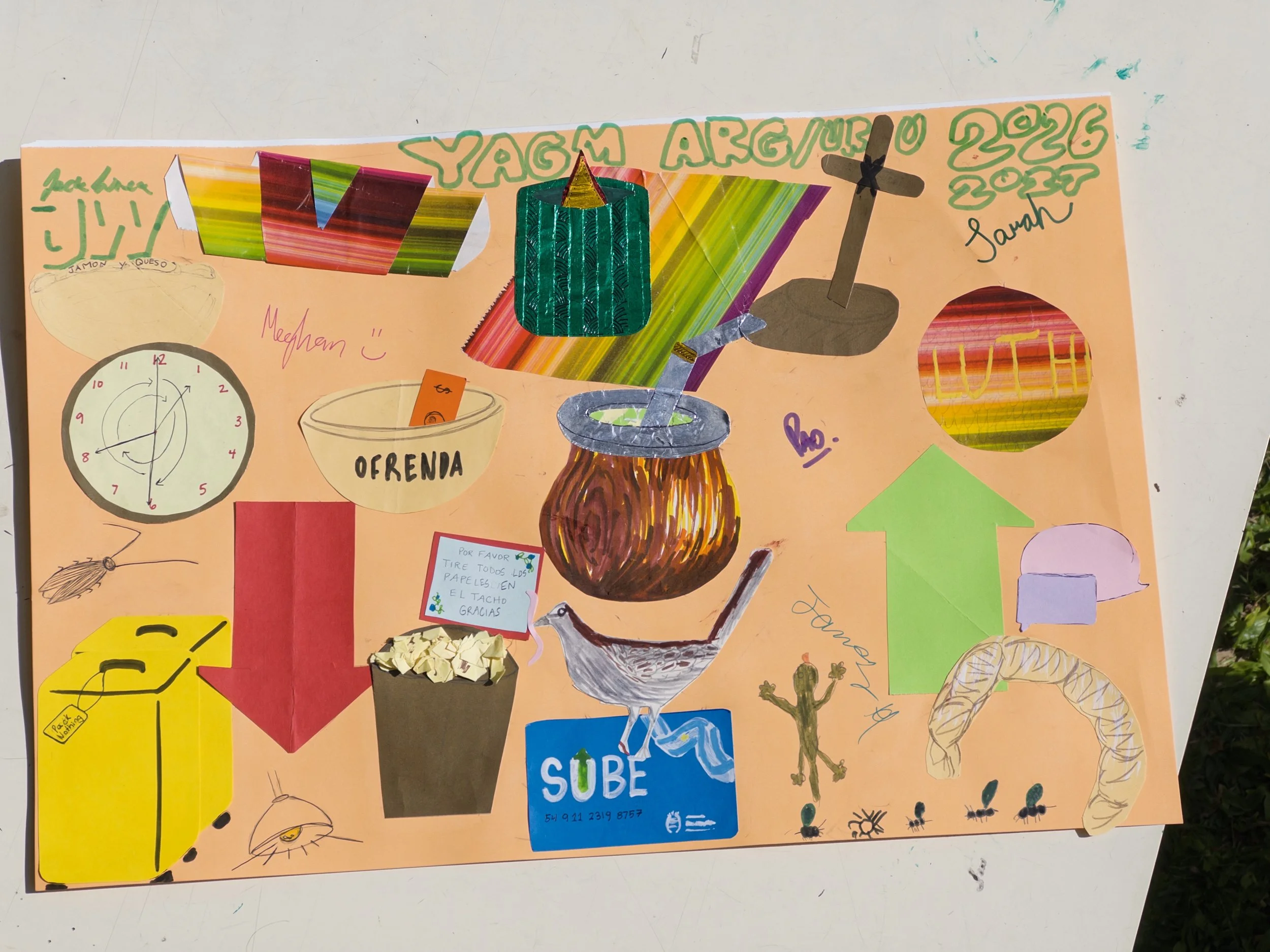
Collage of In-Country Orientation
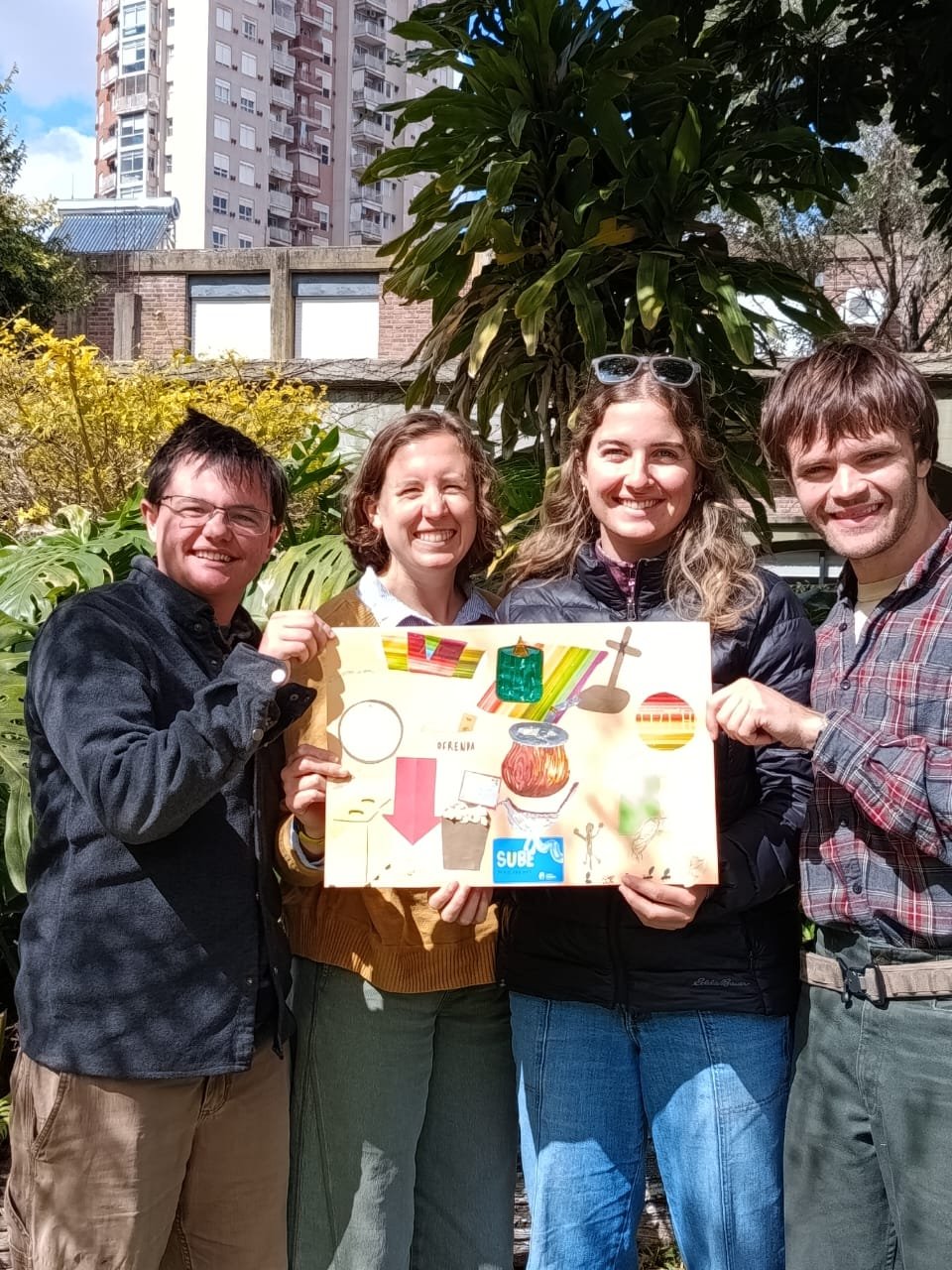
Love this group!
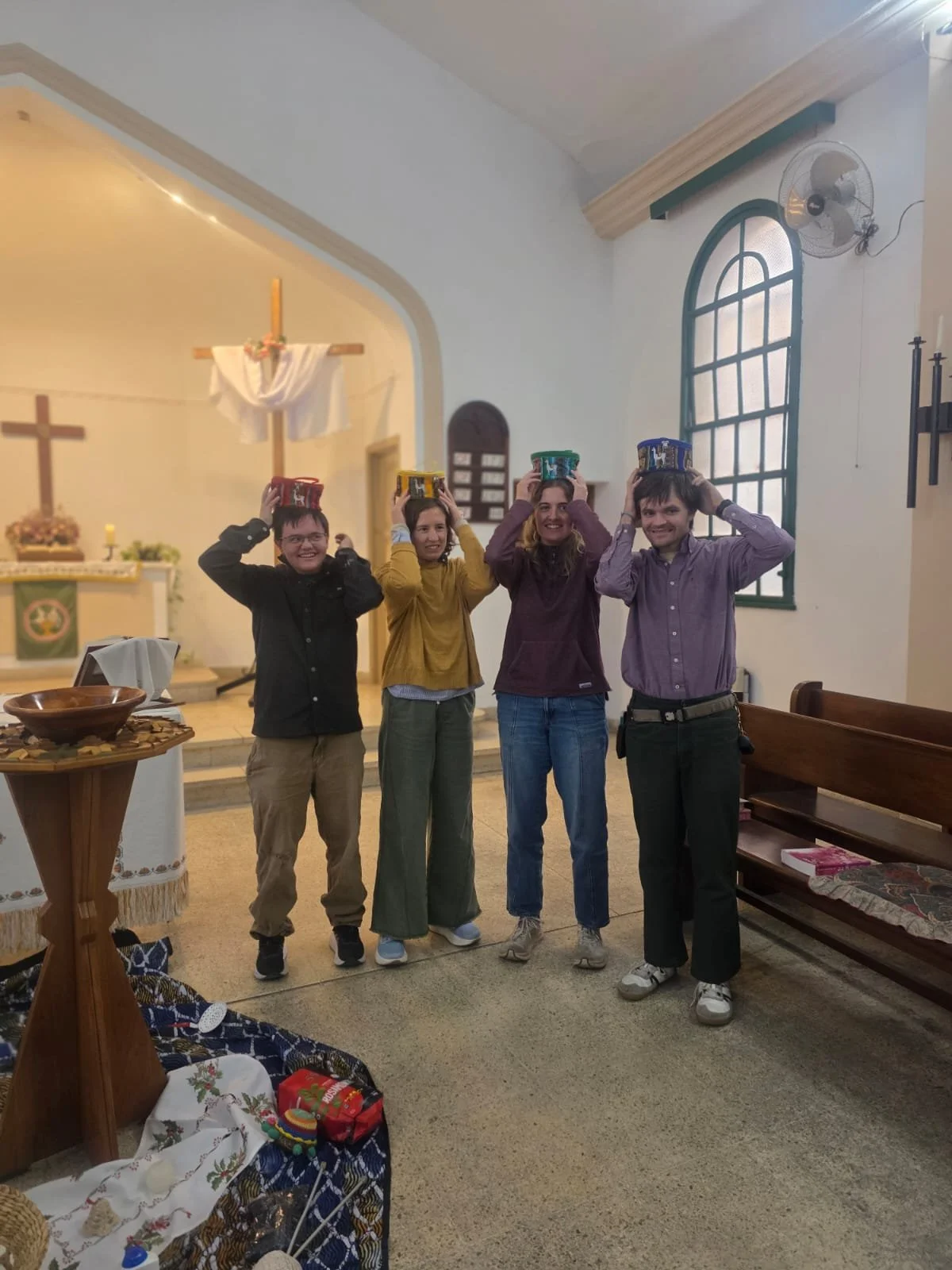
Sending Worship with our goodies!
Rincón Cultural
(This is section named “cultural corner” in español where I can share a piece of culture that I think is interesting and/or would be helpful to teach.)
Yerba Mate
If you spend any time in Argentina or Uruguay, you'll notice pretty quickly that almost everyone is carrying the same three things: large cup, a metal straw, and a big thermos tucked under one arm. That's mate (pronounced MAH-tay), an herbal tea-like drink made from the dried, ground leaves of the yerba mate plant. It's bitter, earthy, and grassy, and it's at the center of daily life here. You'll see it on the bus, at work, at the park, and all along the Rambla.
Mate is a tradition shared across the Río de la Plata region, and Uruguay and Argentina are two of its biggest devotees. There are some differences between the two countries, though. In Uruguay, mate is a walking-around habit, so people carry their thermos everywhere. Uruguayan yerba also tends to be more finely ground and stronger, and Uruguayans tend to drink it amargo (unsweetened). Argentine yerba usually has more stem mixed in, which makes it a bit milder, and it's a little more common there to drink it at home or at a gathering. Locals on either side of the river will happily argue about who does it better, so I'm staying out of that one.
The mate "system" has a few parts:
The mate: The cup itself, traditionally made from a dried gourd, though you'll also see wood, ceramic, and silicone versions. It gets filled about two-thirds of the way with yerba.
The yerba: The ground leaves that give mate its flavor.
The bombilla: A metal straw with a built-in filter at the bottom that keeps the leaves out of your mouth. It's also a bit of an unspoken rule not to move it around or stir it.
The termo: The thermos of hot water, which is heated but never boiling, because boiling water scorches the yerba and makes it bitter.
Mate is usually shared, which is what really makes it special. One person, the cebador, pours the water, drinks the first round, refills the mate, and passes it to the next person, going around the circle. Each person drinks the whole mate before handing it back. The etiquette is simple but has one quirk: saying "gracias" means you're finished for the round, so if you want to keep going, just take it and pass it along without saying anything. Being offered a mate is a sign of friendship and welcome, and it's rude to turn one down, so I'm learning to love the bitter! Due to the biterness, Yerba Mate is often accompanied by many types of sweet pastries called facturas (Argentina) or bizchochos (Uruguay) and that may or may not be my favorite part of it all. It’s definitely something I wanna dive more in to while I’m here and I have a few ideas on how I might do that…
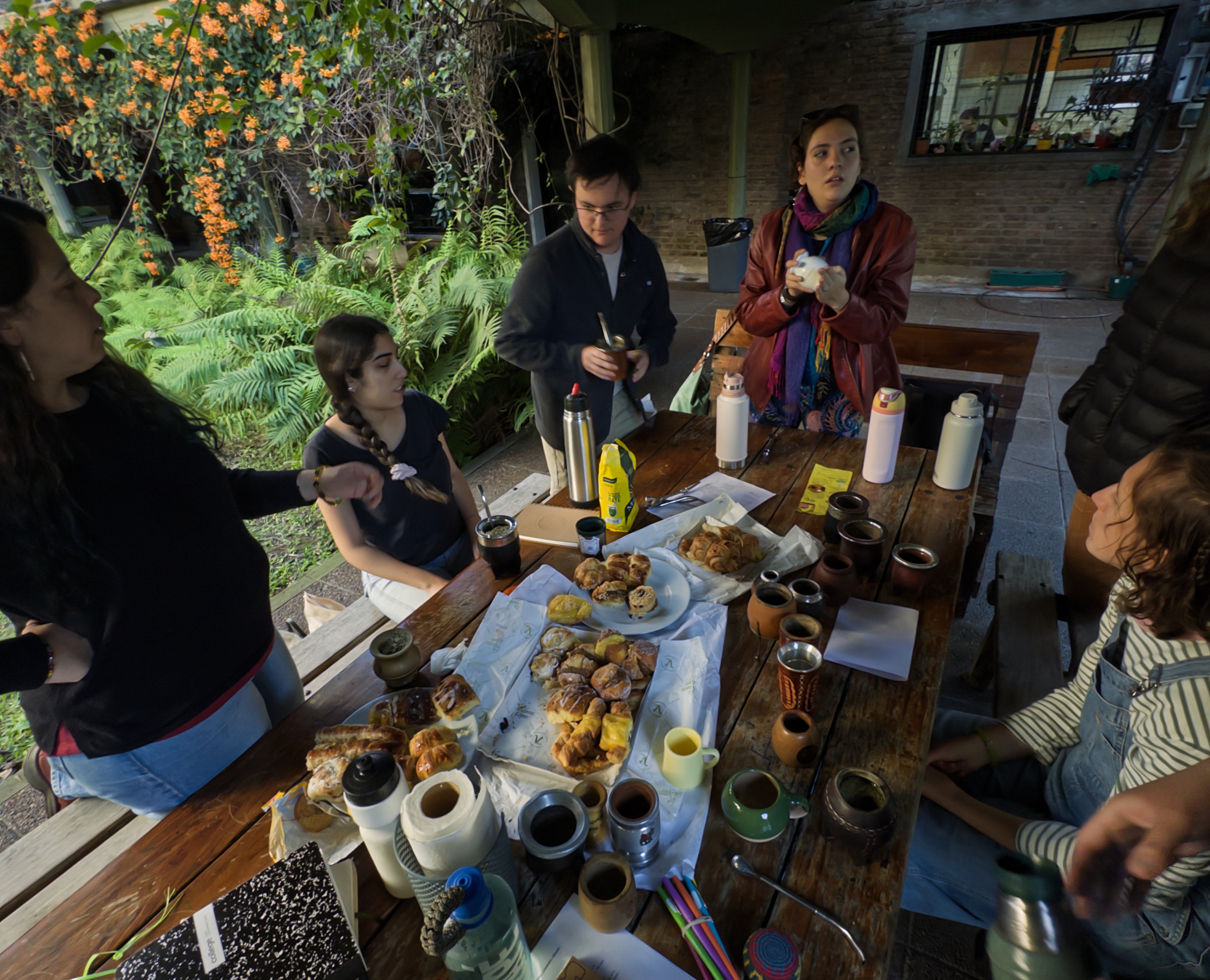
Photo from our first “Mateada” where we learned all the insider information on this special tradition
Montevideo
The First 24 Hours
I was the first one to leave for my trip to my placement site, and it included a ferry ride across the Río de la Plata. Coming from NC, I thought I knew what a ferry ride would be like, but this ferry was huge and faster than any I'd ever seen. So fast, in fact, that they don't allow passengers on any outer deck, which was a bummer because I had my camera and monocular ready.
I took the ferry to Colonia, a historic city directly across the river from Buenos Aires, and took a bus for the second half of my journey into Montevideo. I really enjoyed this route because we got to drive through the first rural areas I'd experienced in South America, including seeing so many cows! Did you know that cows outnumber humans almost 4 to 1 in Uruguay? We were making jokes that when I arrived in the country they would give me my 4 cows and send me on my way.
On the way into the city I saw the Cerro de Montevideo (hill of Montevideo) that the city is supposedly named after. The bus arrived at Tres Cruces, the city's transport hub, and I got picked up by my site supervisor, Fernando, who dropped me off at my Hogar. What made this moment big was that from that point forward, I was on my own without crutches (AKA consistently being around someone who spoke English). That's definitely been an adjustment, but you get used to it. Fernando doesn't speak much English, but I was able to understand the critical things I needed to know from him, and I was so thankful for the ride and getting to meet him!
After Fernando dropped me off, I was passed over to some of the residents of my new home, called a Hogar! It's a housing community for university students who need a place to live in the city during their studies, connected to the Waldensian Church here. I was shown to my single room at the top of the stairs and given a tour of the place. My brain was tired from everything, and I probably caught 1/5th of the Spanish told to me throughout the tour. There's definitely something humbling about feeling like a dumb baby in another language, and I think that turns up to 11 when it's cool college students close to my age, but we survived. I got my bags unpacked and my room set up, which was truly therapeutic. The nature of this program means I shouldn't need any of my big checked bags until I leave next July! The last problem to deal with before bed was getting some food. In Montevideo, just about everything closes on Sunday, and Uruguay is an expensive country where a simple living stipend won't go very far without some insider knowledge.
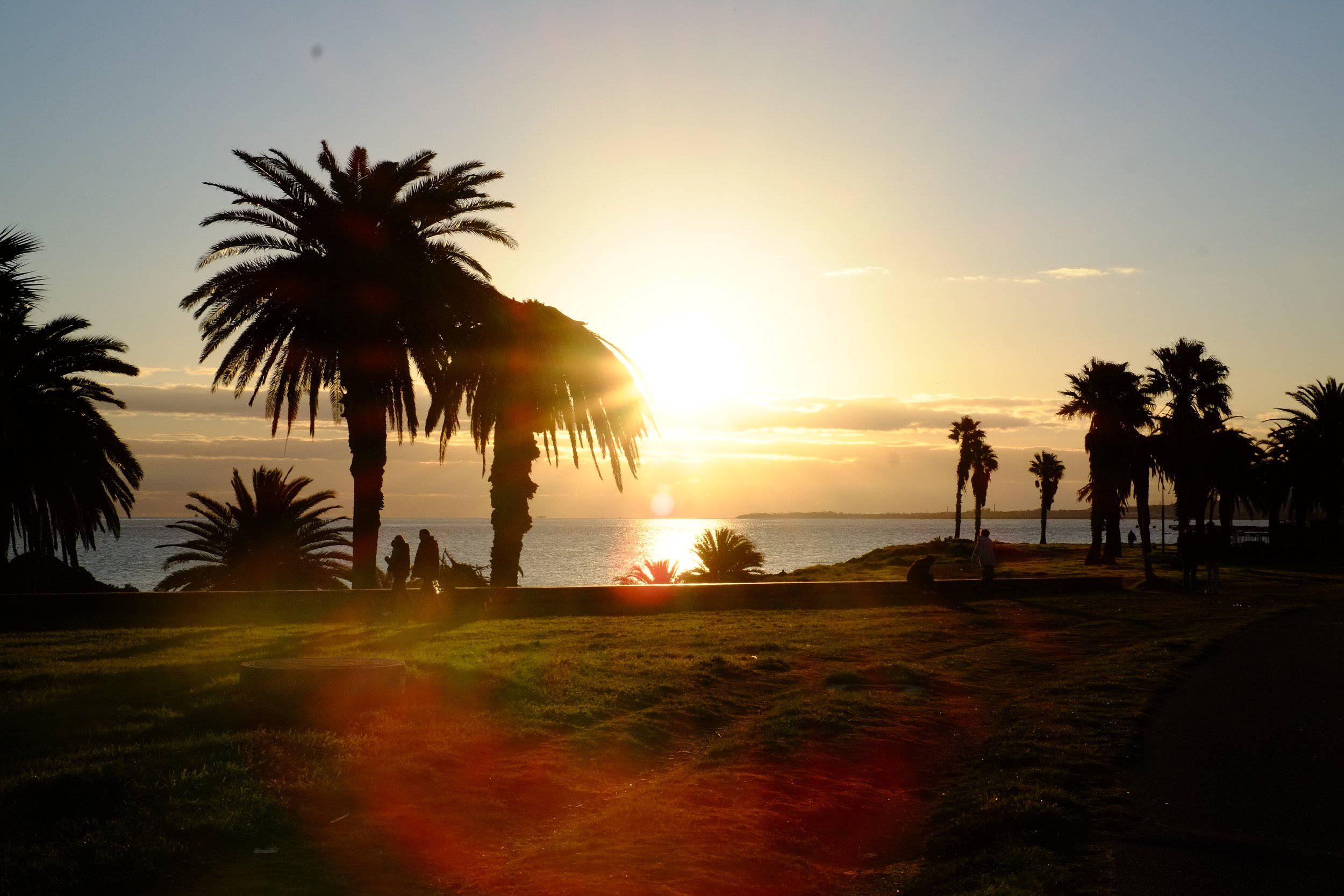
After getting unpacked, getting food in my stomach, and finally getting a long night's sleep, I had Monday off, so with some of my housemates, I planned an afternoon outside for a first exploration of the city. Headed out for Plaza Independencia, followed by Ciudad Vieja (the old city), where I tried a delicious alfajor (basically an artisan moon pie of Uruguay and Argentina!). Mine was blueberry and fudge flavored, and it knocked my socks off. From there, it turned into a late afternoon walk down the Rambla, catching the sunset.
Rincón Cultural
You get a bonus one of these for the first entry!
La Rambla
The Rambla is Montevideo's waterfront promenade, a wide sidewalk that stretches about 22 kilometers (about 14 miles for the folks at home) along the Río de la Plata, from the old city all the way east to the beaches. It's where the city walks, jogs, fishes, bikes, and shares mate at sunset, and it's often described as one of the longest continuous sidewalks in the world. In the warmer months it essentially becomes the living room of Montevideo and it represents how much Uruguayans value being outside!
Basically, the Rambla is one of the coolest things ever and shows how Uruguayans care about their time! I've heard it's an everyday spot to visit once spring warms up and the sun goes down later.
From the Rambla, I headed all the way down to Punta Carretas, the southernmost point of the city, where there's a lighthouse and the perfect place to catch the end of the sunset before heading home from an awesome first day and getting ready for my first day of work the next day! I'm so thankful to be living in such an awesome and beautiful place, and I'm so excited to come back to the Rambla often.
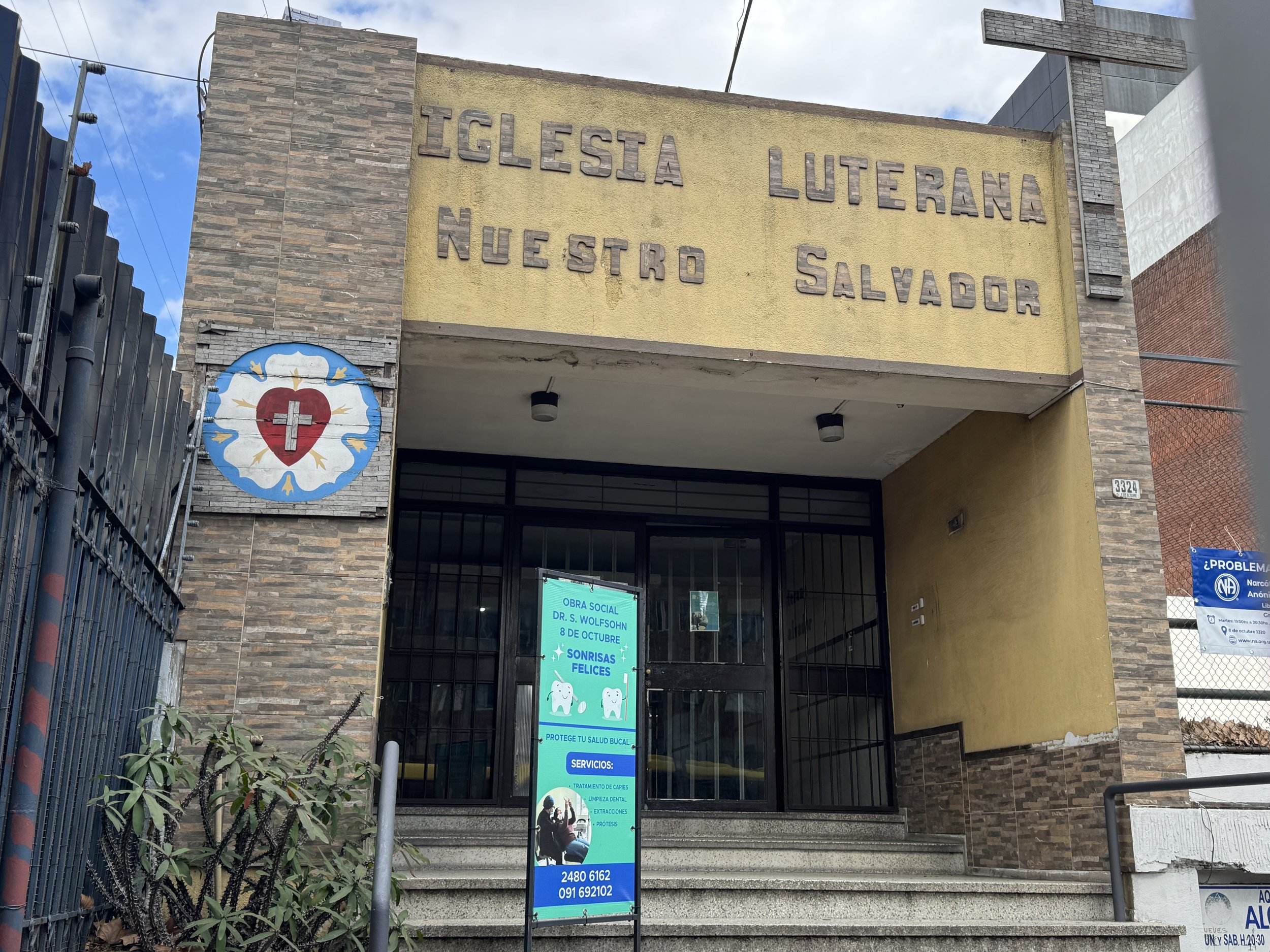
Saw my church for the first time!
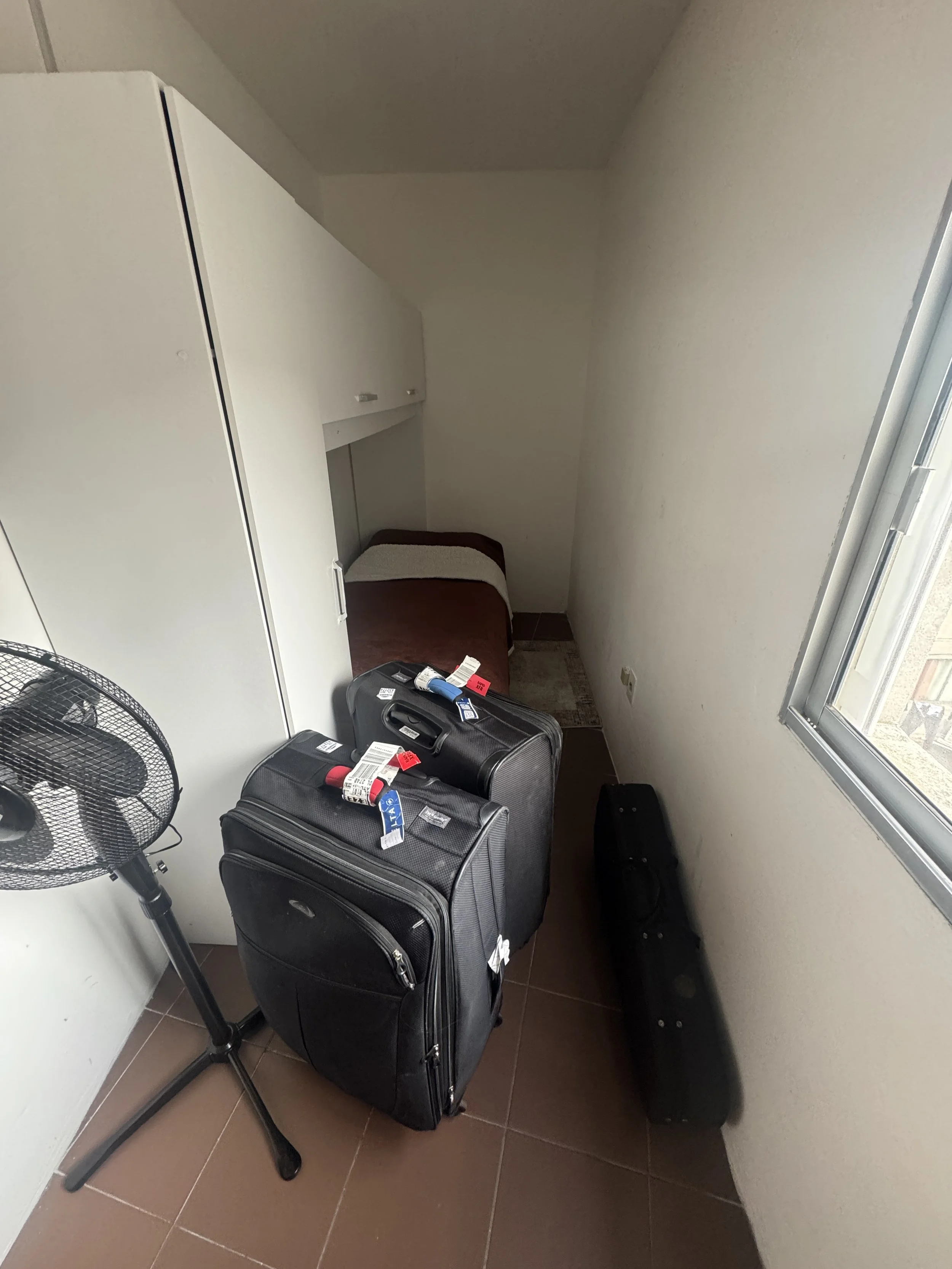
First time in my room!
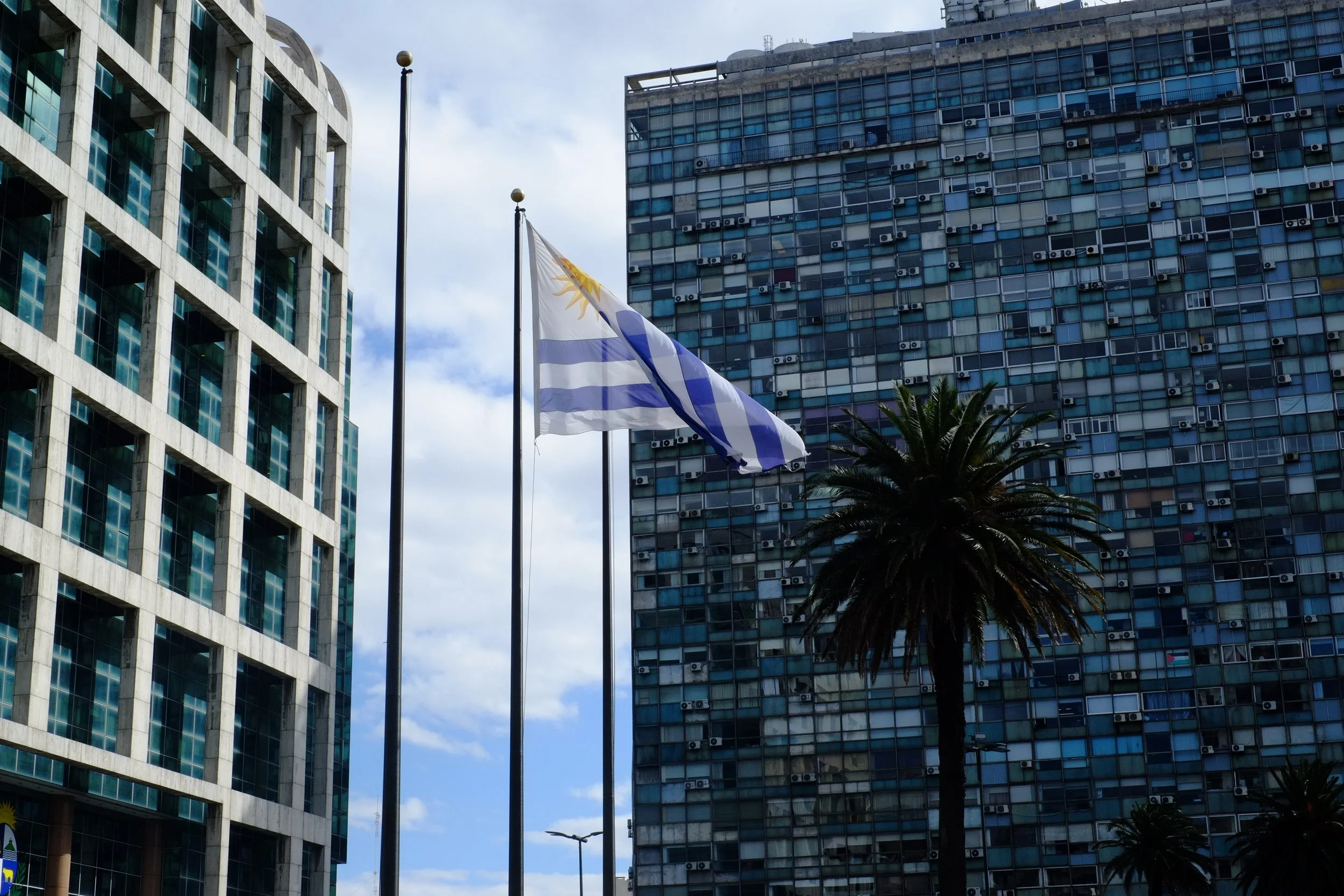
Flag in the Plaza Independencia in front of the Presidents Office
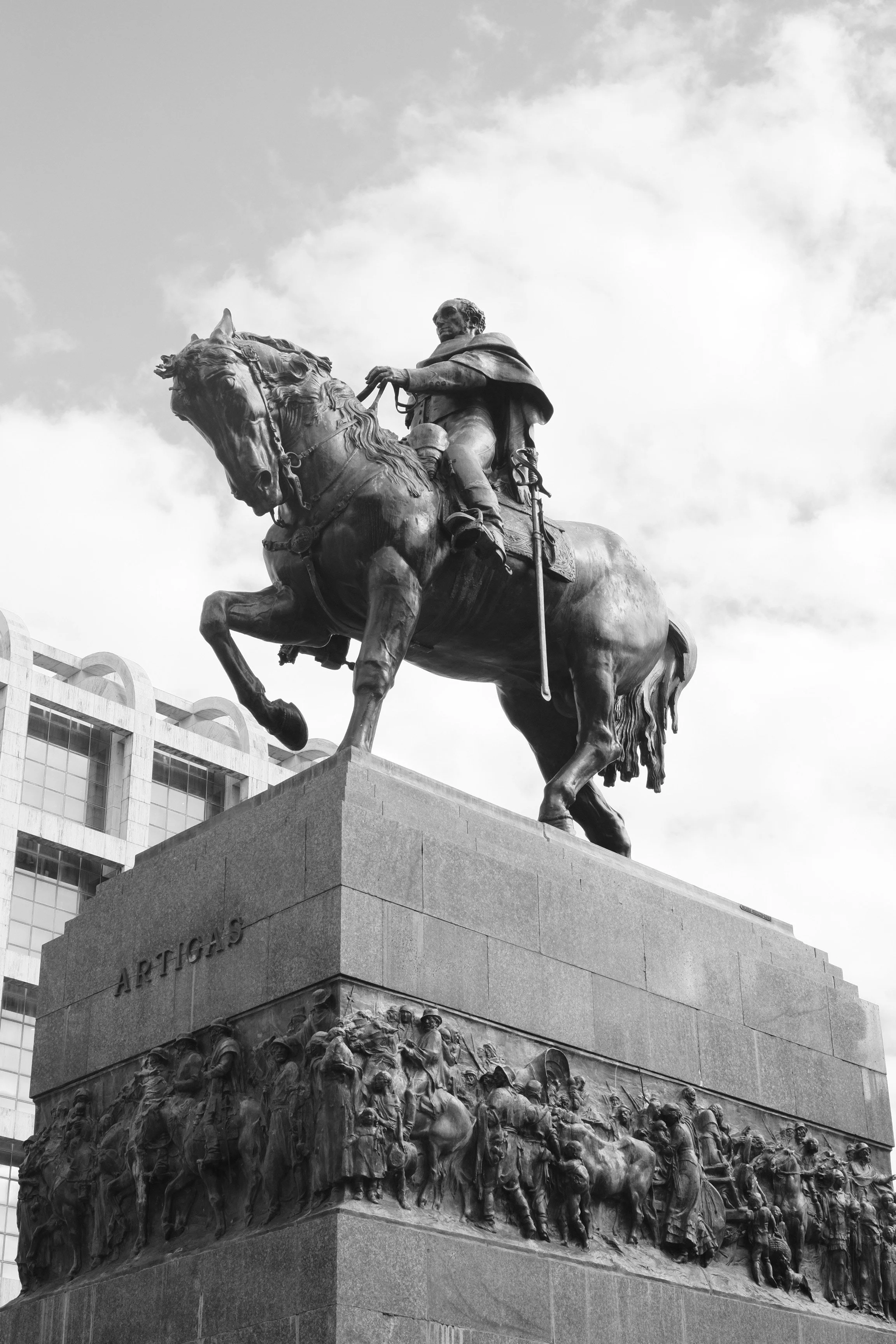
Artigas is Uruguay's George Washington
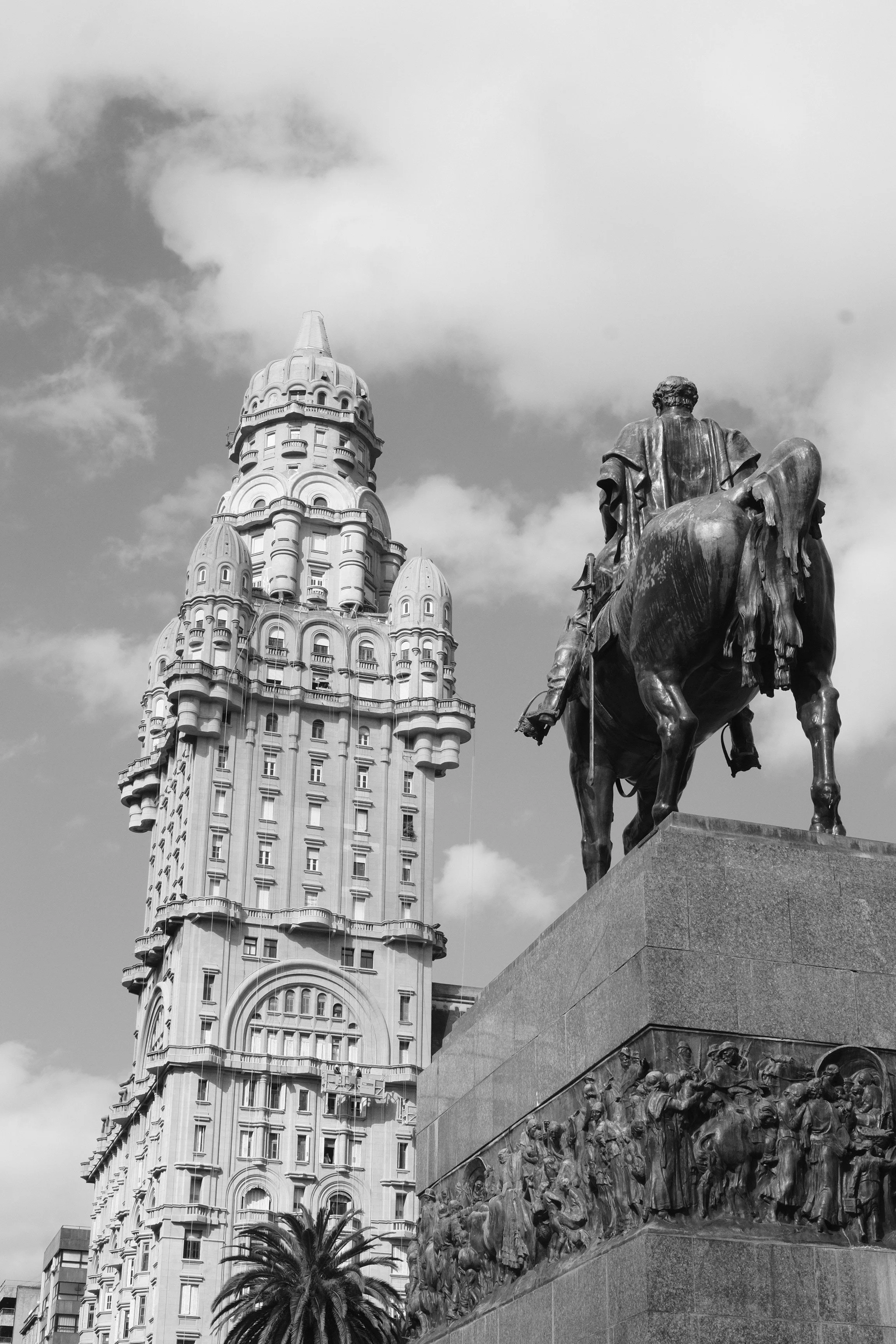
Artigas + Montevideo's most famous skyscraper - Palacio Salvo
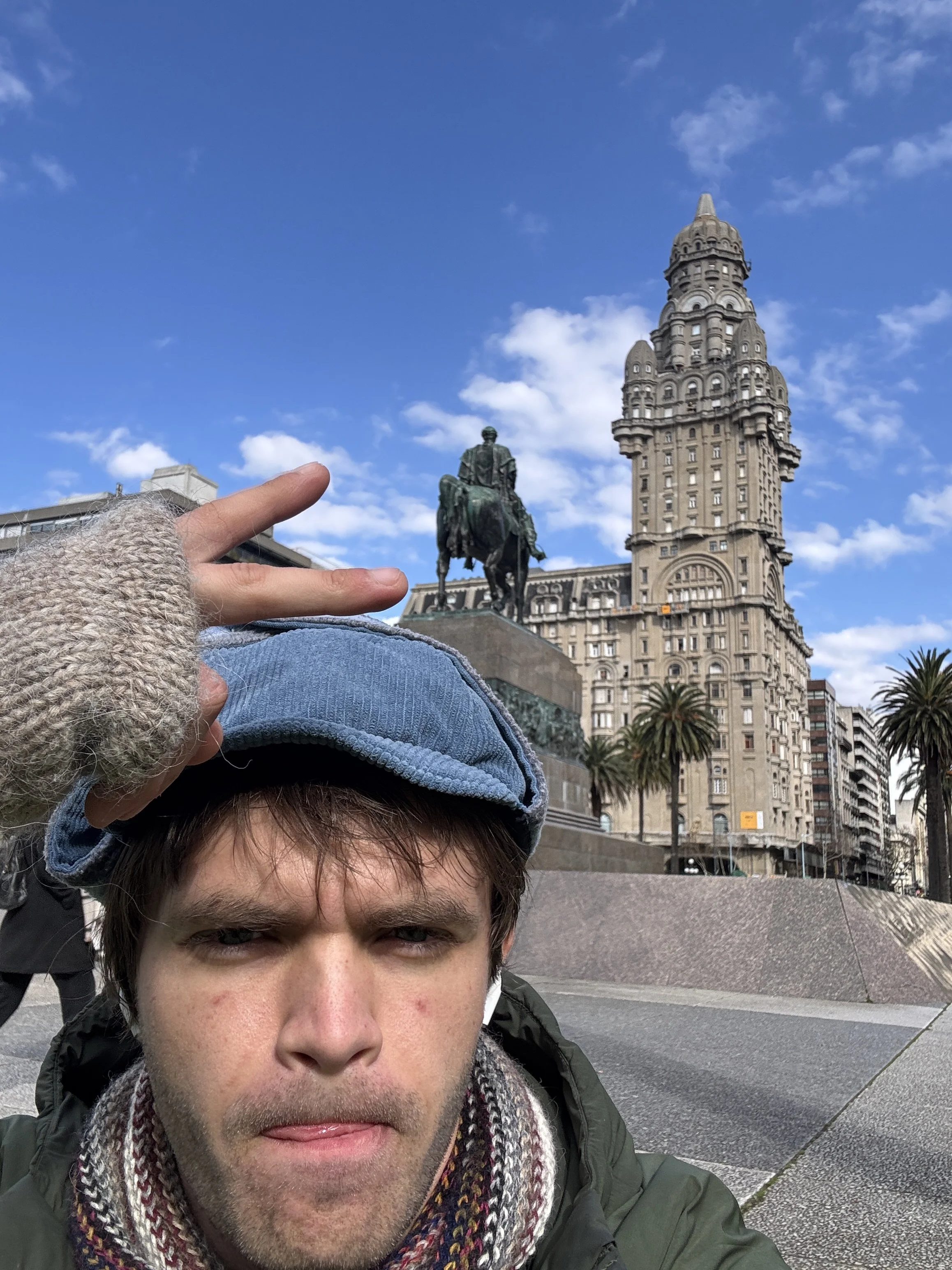
Me + Palacio Salvo
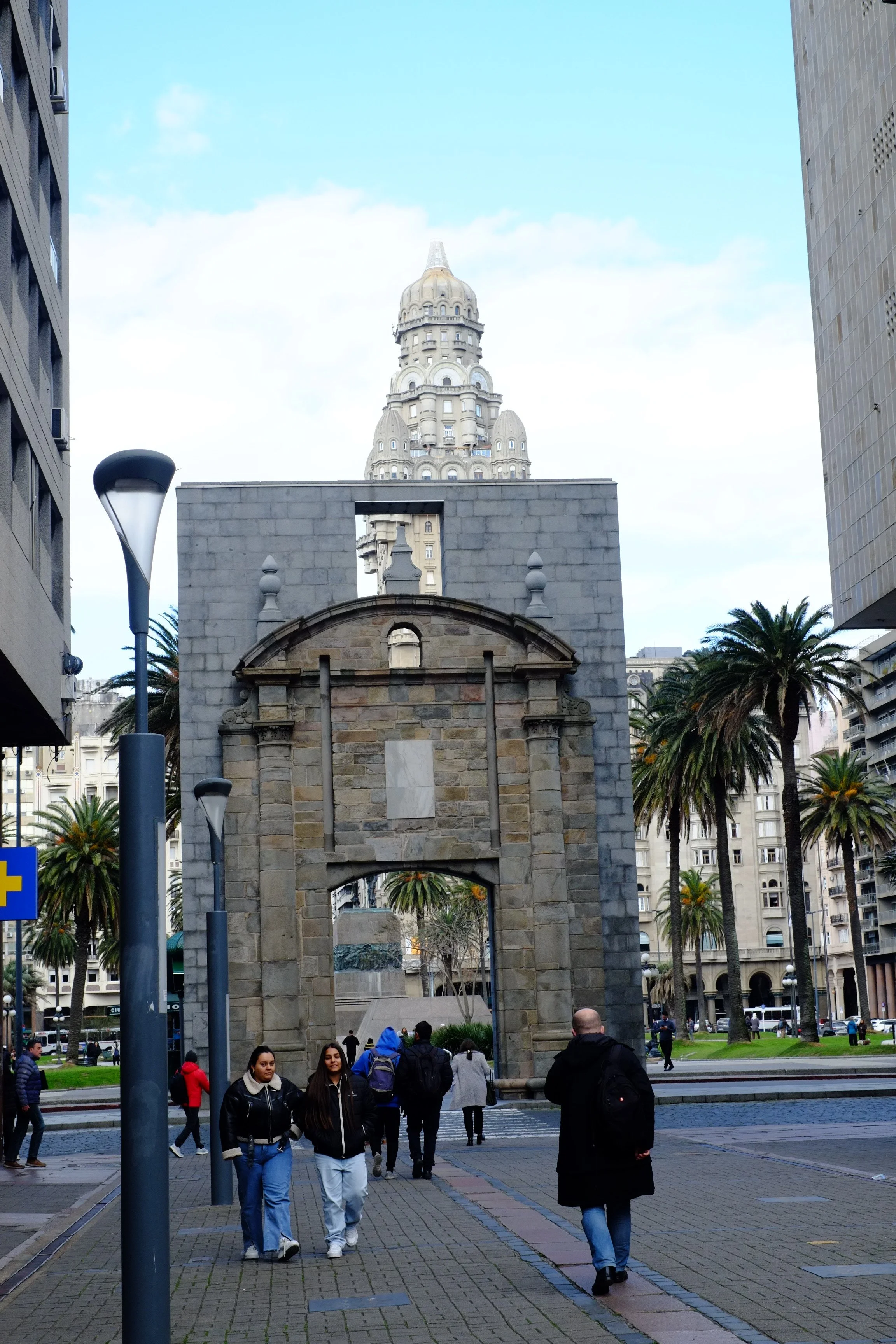
Gate into the old city (was once a wall around the whole city)
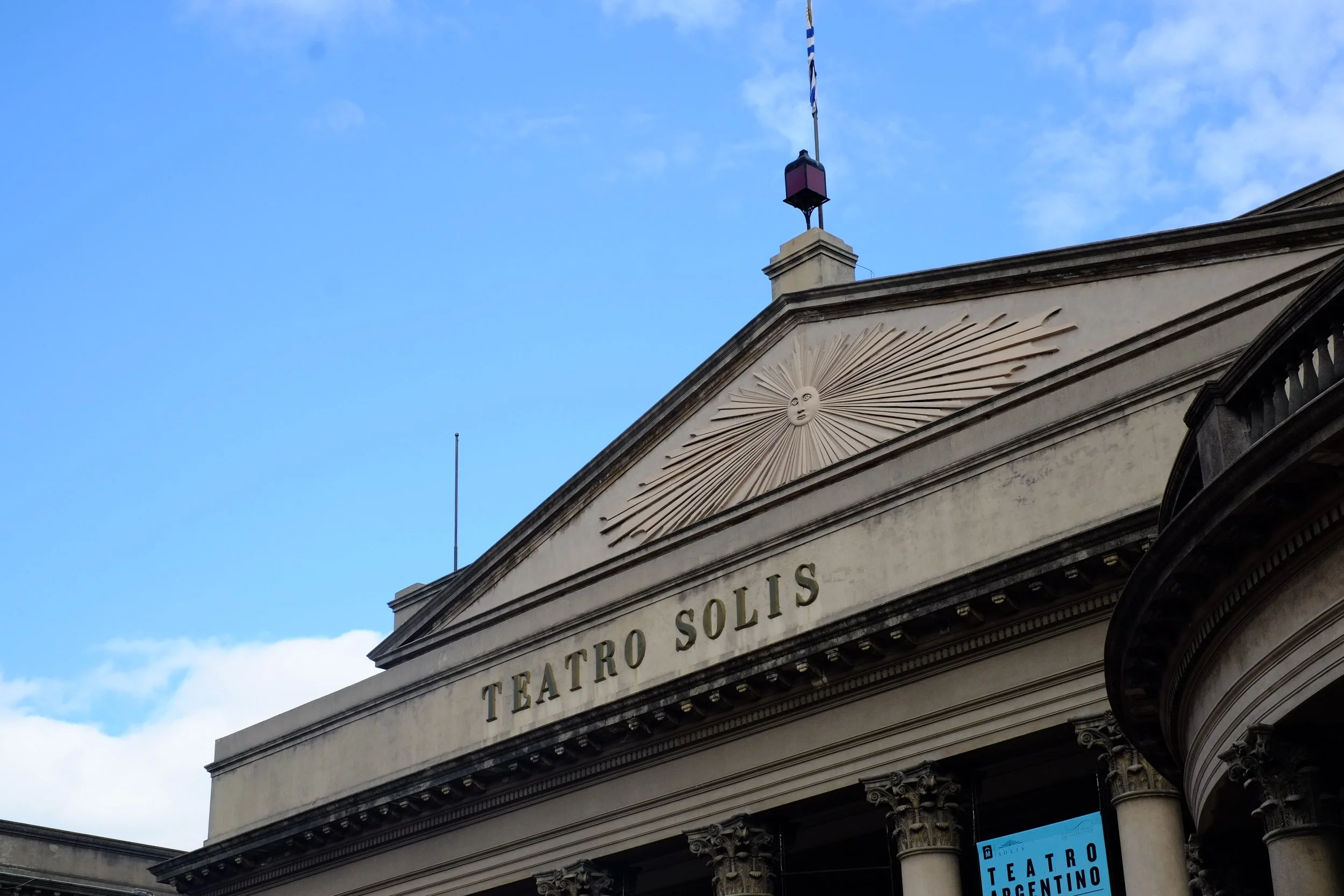
Teatro Solis
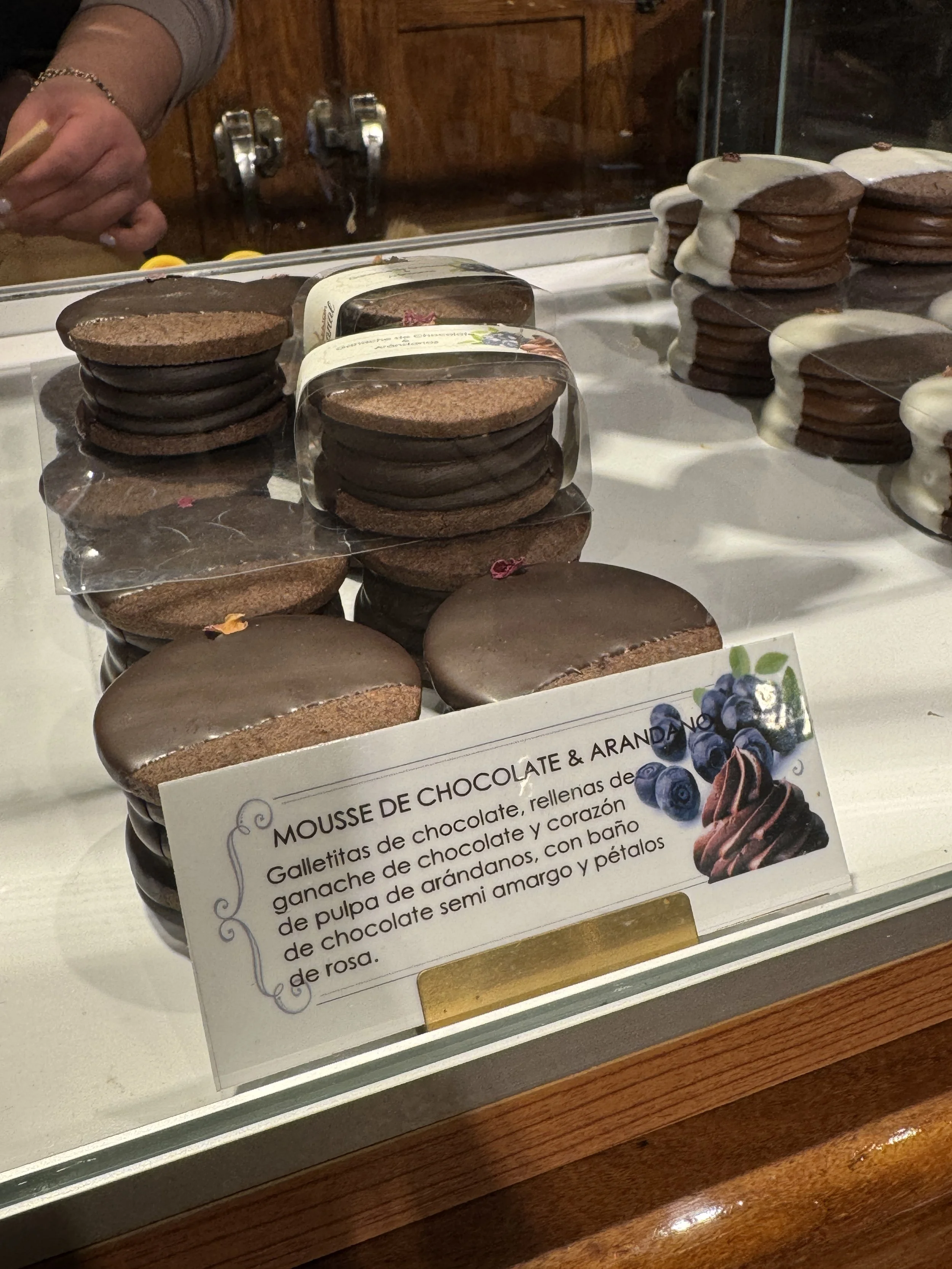
Alfajores!
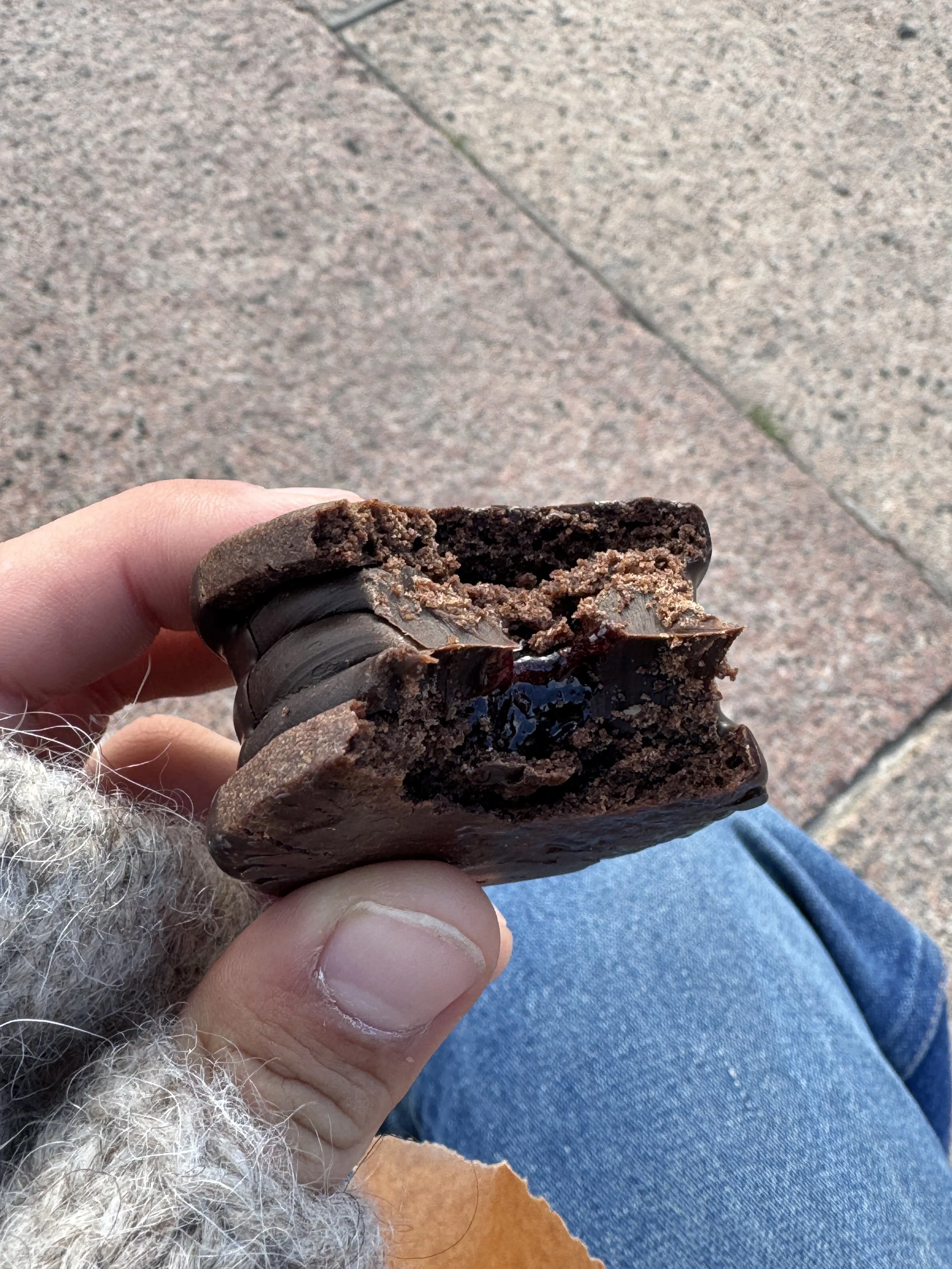
It was sooo good
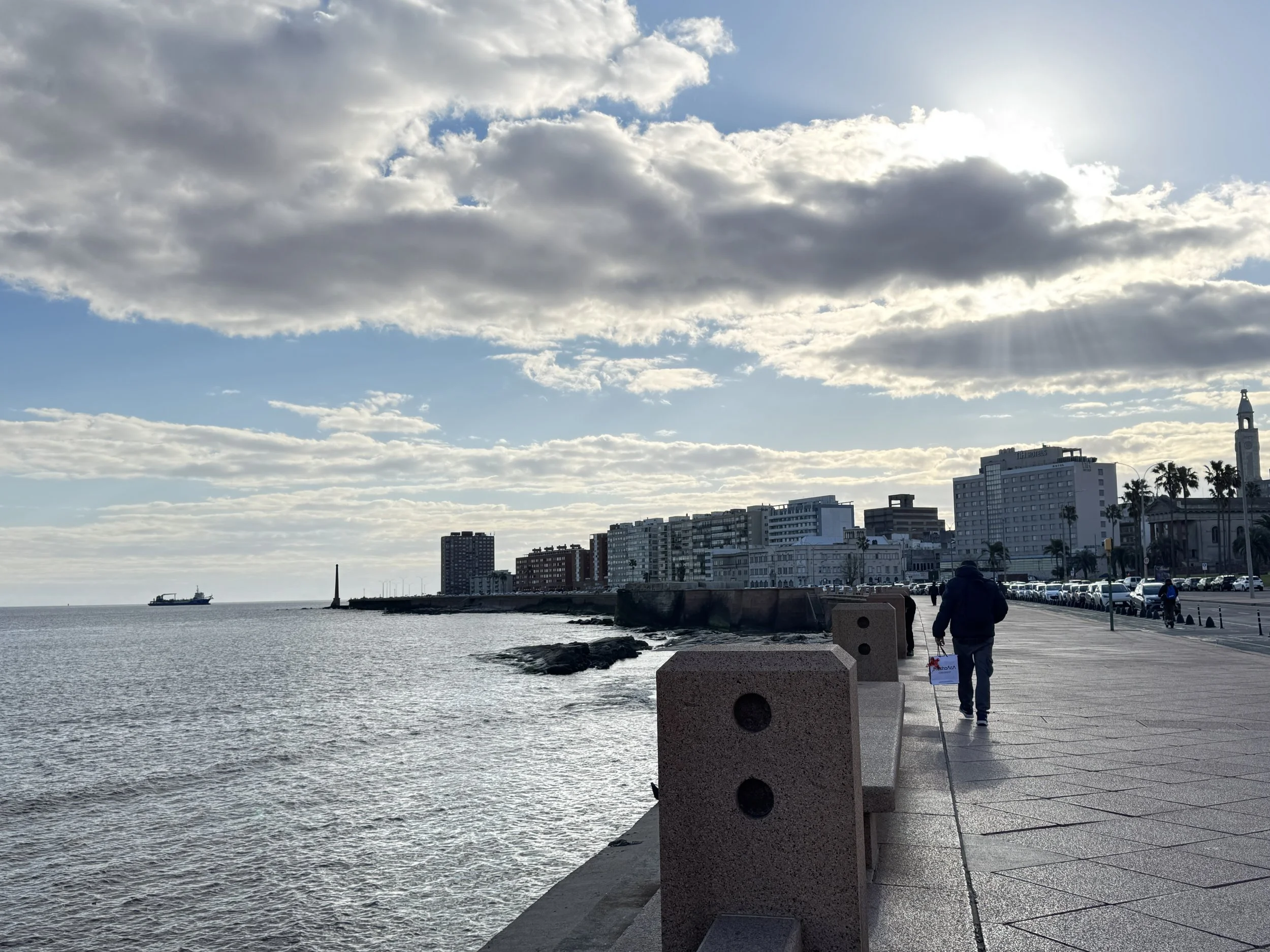
On the Rambla
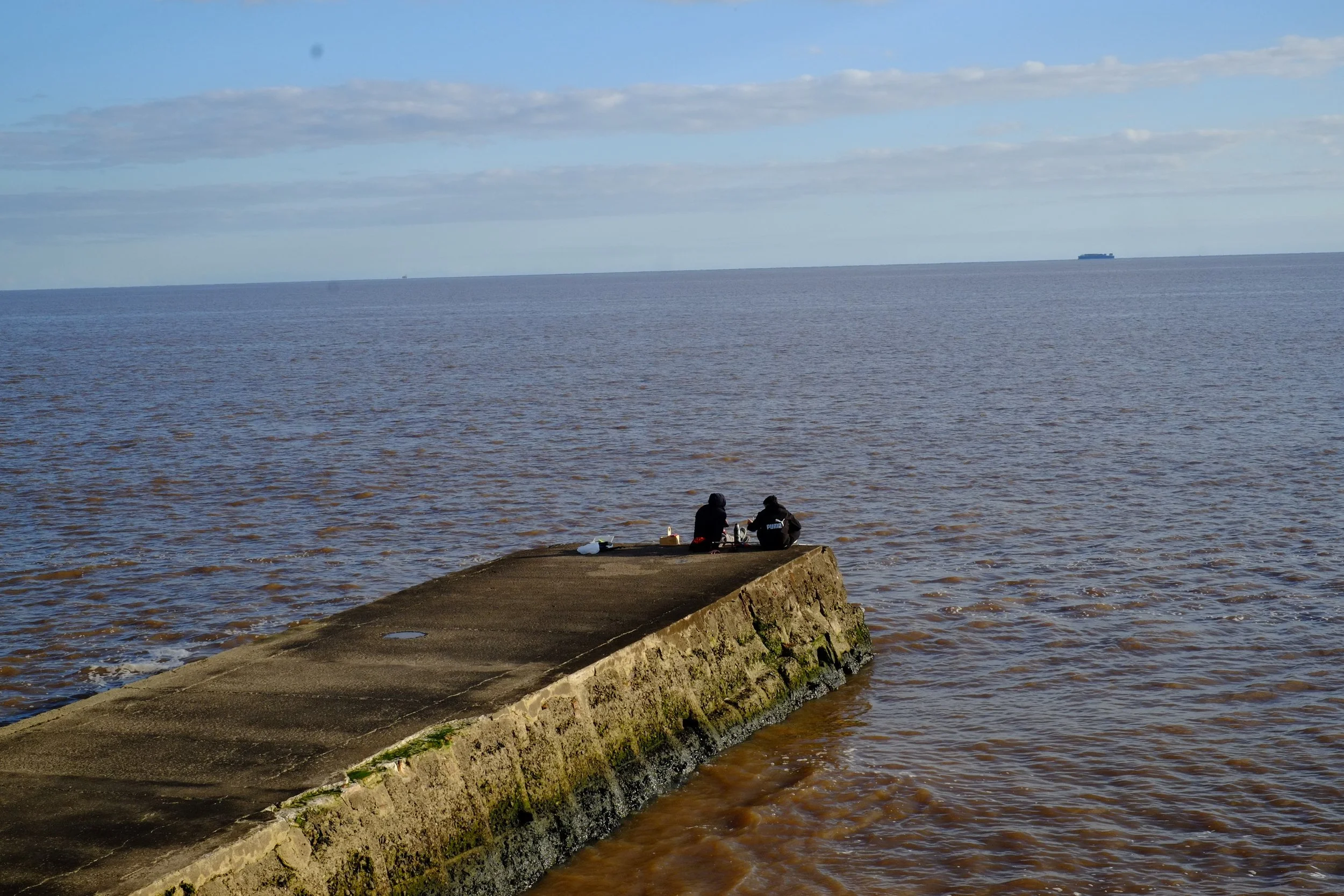
Sharing Mate
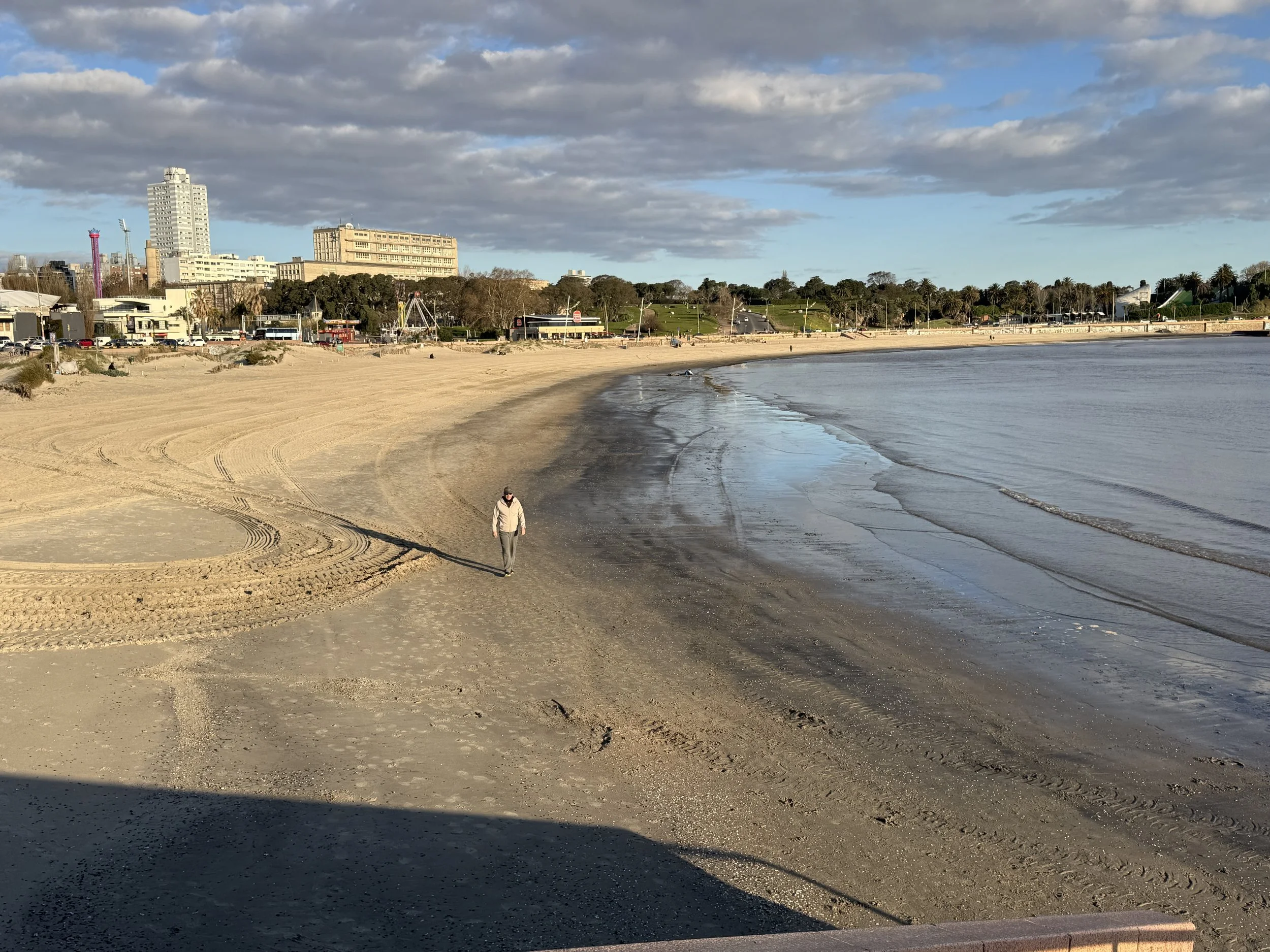
Multiple beaches along the Rambla
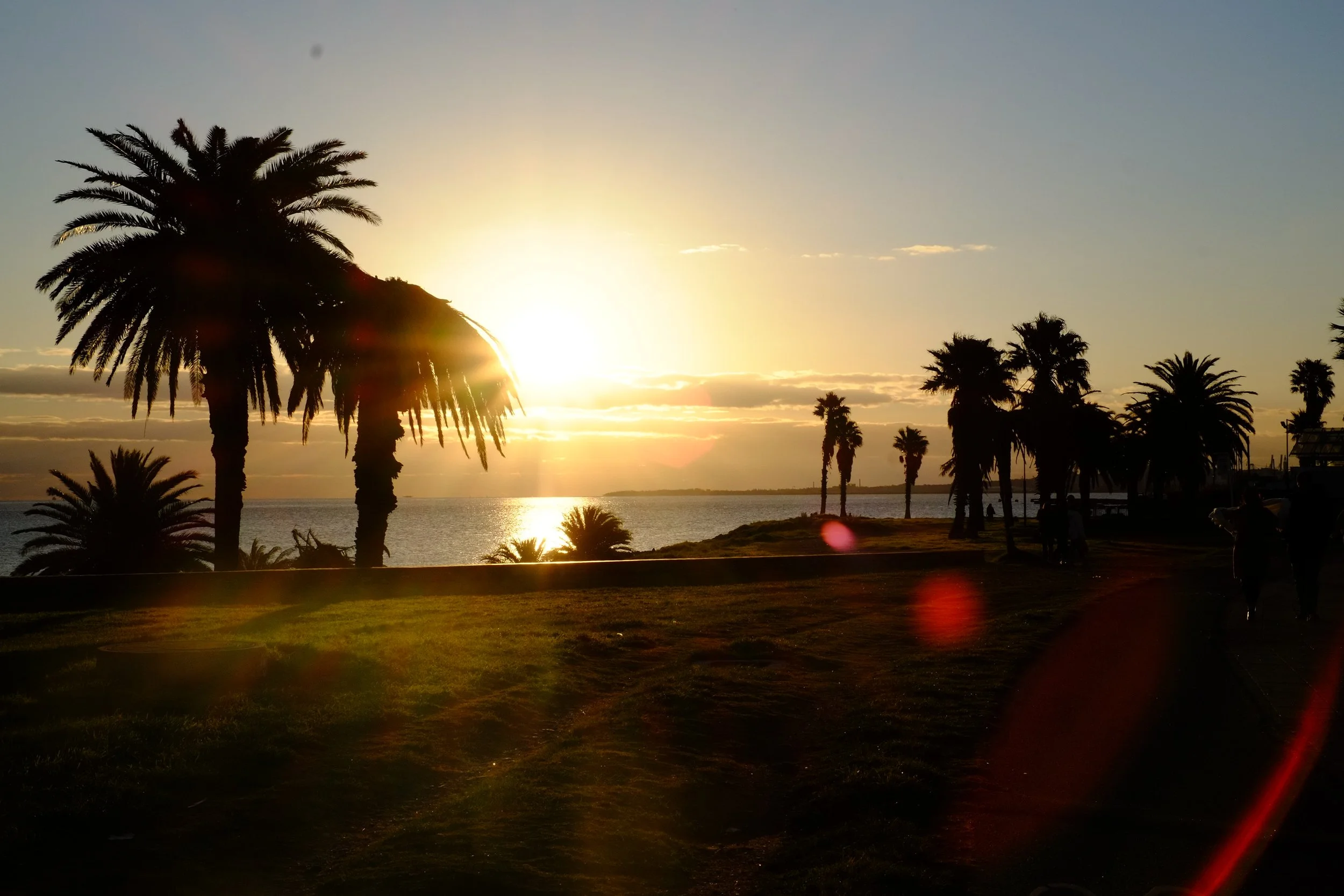
Sunset popping off
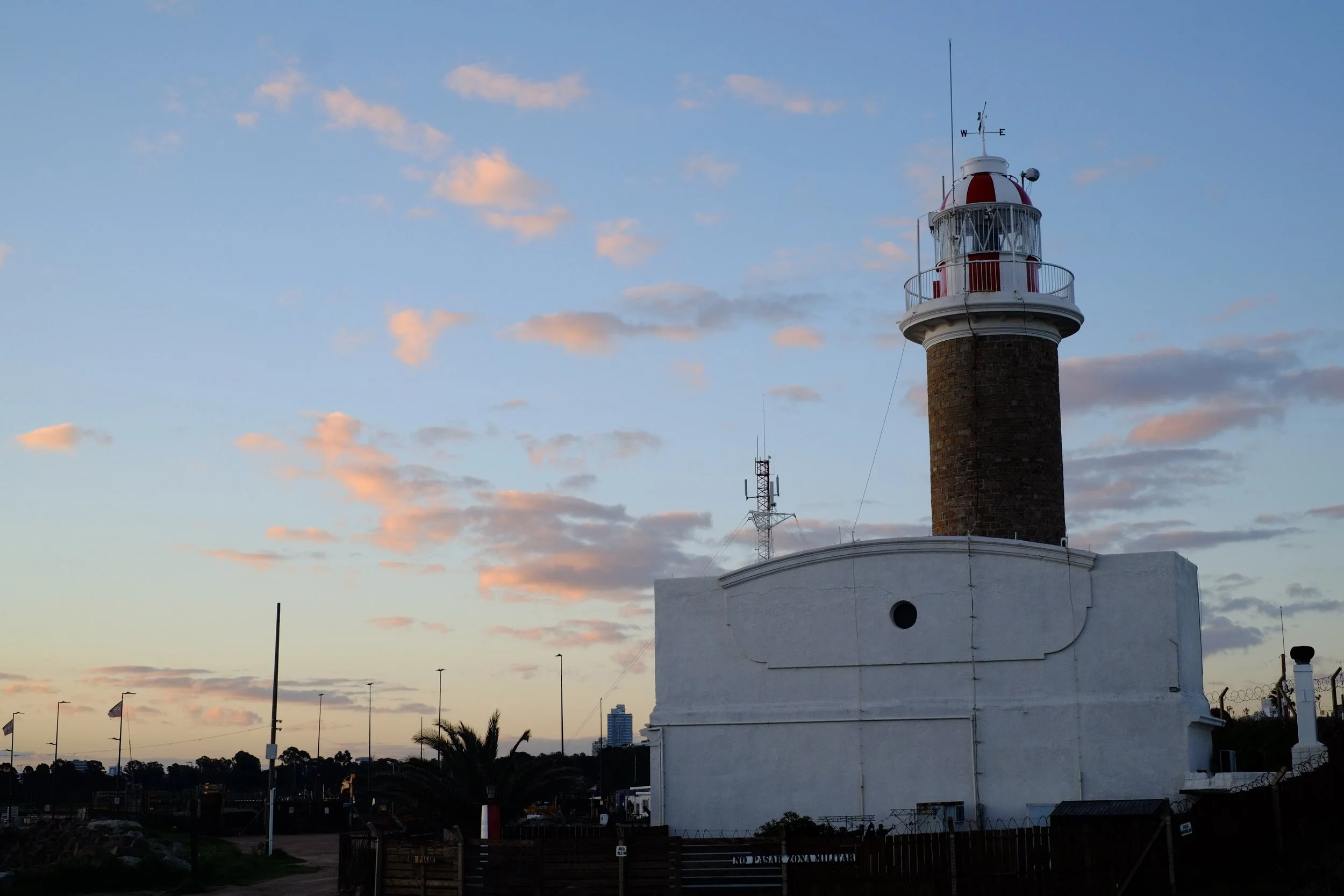
Punta Brava Lighthouse
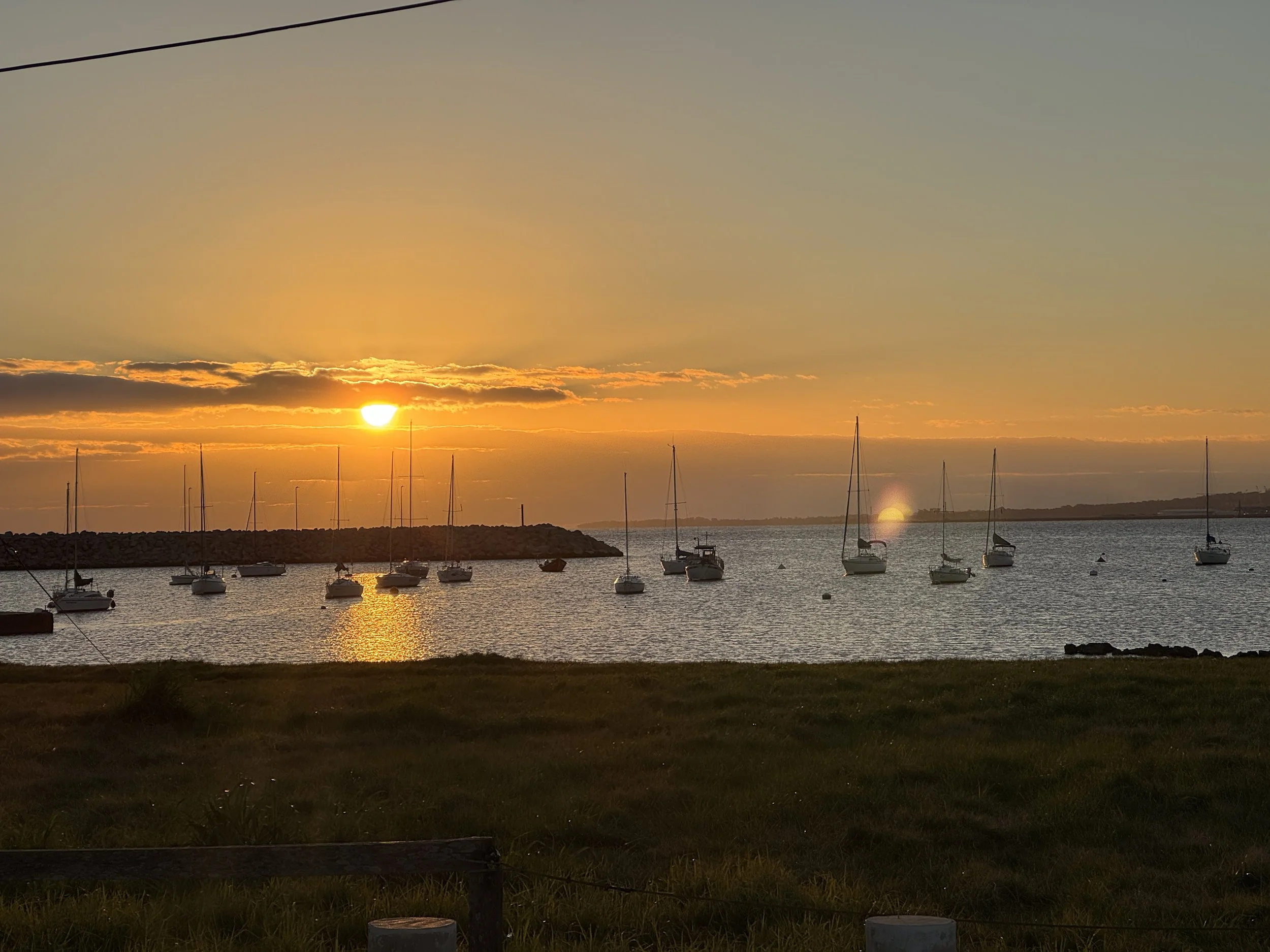
Orange over the boats
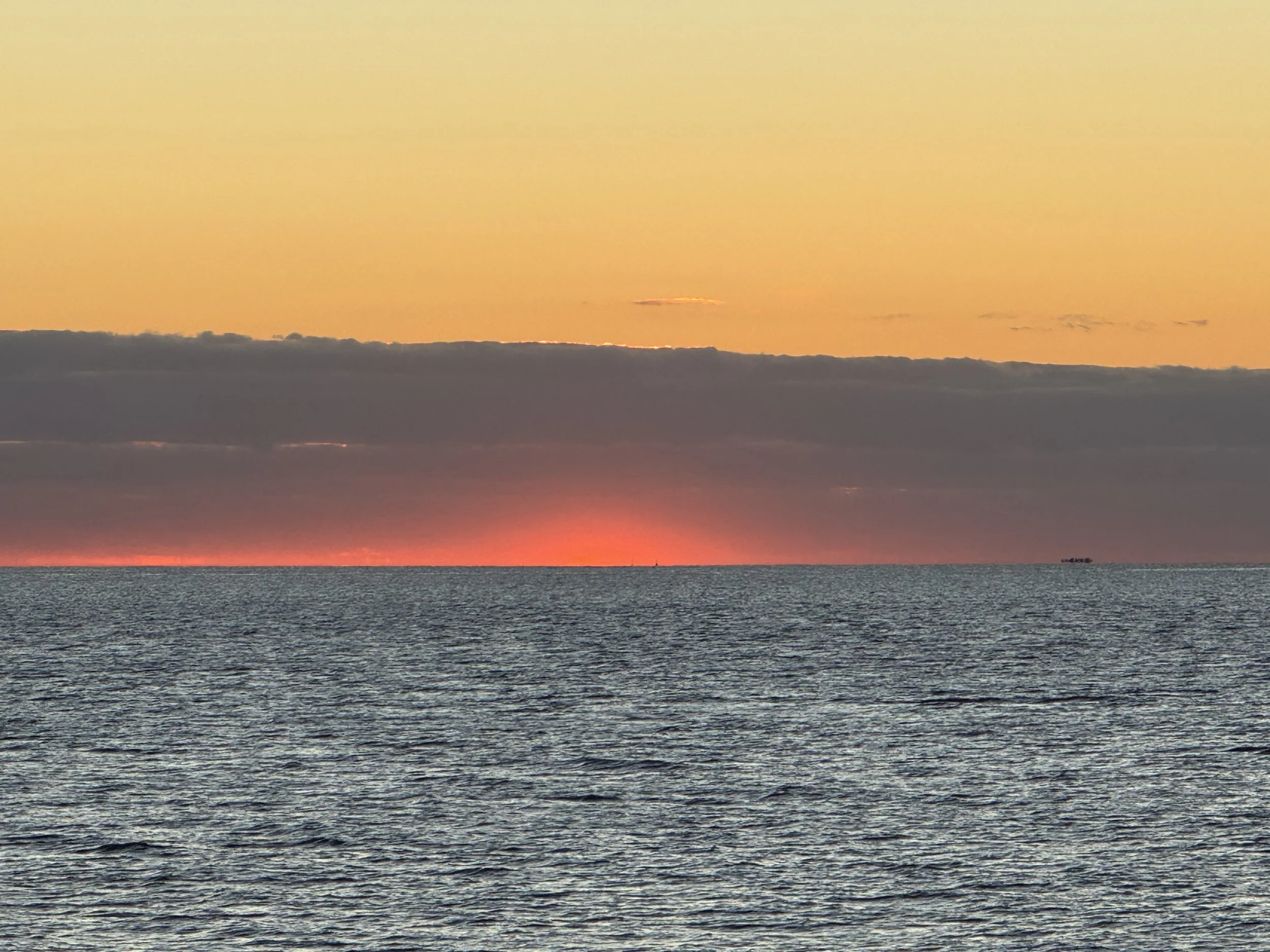
Last traces of the sun
FAQ
OK, now let’s go through all the most likely questions you have when it comes to my life in Montevideo.
Q: Where am I living?
A: I’ll go from large scale to small. This year I’m living in South America, in the small country on the east coast called Uruguay! I’m living in the capital city, Montevideo, where about 1/3rd of the country’s residents live. I’m staying in the Waldensian Student Residence or Hogar Estudantil in Spanish. I have the only single room at the top of the stairs with all the essentials. The residence has common bathrooms and a kitchen, and the residence is managed by the students here.
Q: Where am I working?
A: I’m working with the global organization Youth for Christ, who have a chapter here in Uruguay called JPC (Juventud Para Christo). They are focused on supporting youth of all ages in many different ways, collaborating with local churches to create safe spaces for youth to grow into strong leaders.
Q: What does a normal day look like?
A: One of the things that makes this program so cool is how we are invited to work with our site placements to determine what would be best for our individual skills, and it’s subject to change throughout the year. I’ll speak to how it’s looked to far. I help out at the 2 youth centers found in the Flor de Maroñas neighborhood, helping out similar to what a youth advisor volunteer might look like at a church. I also work in the JPC office using my design skills to help provide artistic and graphic design style work where I can be helpful. This really encompasses things I enjoy doing in a way I feel very lucky to be doing with my time here this year. I can also tell that the team I’m apart of is getting to know me better, and I’m sure there will be plenty of fun projects and ideas made together throughout this year.
Q: Where am I going to church?
A: As I mentioned before, the IELU includes Uruguay as well, so I’m attending the IELU congregation here based in Montevideo called Nuestro Salvador (Our Savior). It’s a smaller church than I was imagining coming into this year, but it feels very connected in the Lutheran spaces I’ve been a part of my whole life while having its own Uruguayan and Latin American identity. One thing to call out here in Uruguay is that it is very ecumenical here, especially amongst all the different Protestant churches. Overall, I’m appreciating having Nuestro Salvador as a separate place from work or Hogar communities. I even discovered they host some Tai Chi classes in the space in the evenings, which I’ve gotten to visit some!
FILED
Dispatch #1 - Montevideo, Uruguay
Field Notes
OBSERVATION — Everyone greets with besos here, where you touch right cheeks and make a kissy noise. It took a bit to get used to, but I rather like it as a greeting and goodbye!
SOMETHING LEARNED — People here say just about everywhere in Montevideo is considered safe if you're smart about it, but that recommendation changes once the sun goes down. No scary stories so far, but I avoid being out much at night and especially pulling my phone out.
FUNNY MOMENT — Definitely have to be careful what I repeat in Spanish amongst the youth. I’ve been trying to make sure I understand all the many curse words and slang used here in Montevideo. Apparently, I’m “crack,” which means I’m cool??
HIGHLIGHT — Wasn't the most excited about the culinary trends here before coming here, but I’ve had all the food I’ve been able to try. It has been very sufficiently yummy, and I’m finding some of my favorites.
STILL FIGURING OUT — Toilet paper of any thickness isn't flushed down the toilet here, and every bathroom has a usually smelly trash can beside the toilet that I mostly remember to use. Can’t really understand how that’s a better solution, especially since all I’ve seen here is one-ply that dissolves almost instantly.
Spotlight
(A spot for special things I wanna explore or talk about in more depth)
Connection Points
My Spanish is generally at a level where I can get by and generally understand / be understood, but there are plenty of times where my brain is still warming up. My ears especially aren’t used to living in another country. I do, however, want to share some ways and tools that have helped me speak without needing Spanish in a way that I’m very thankful for this early in my year.
Tool #1: I brought my digital Fujifilm camera here with me to document my time and explorations and offered to help take photos at the youth centers where I can. This, as you can imagine, is a great way to interact with the youth and to get to communicate with them without having to use words. They act a certain way when they see the lens pointed at them, and I've even let them try out and borrow the camera once they put on the wrist strap and learn how to use it. It’s definitely one of the ways the youth know me so far, and I‘ve gotten to put it to work at futbol practices, field trips, workshops of all kinds. I’m getting a lot of good use out of it in a way I’m sure will continue throughout the year.
Tool #2: On Tuesdays at Sebastopol, one of the youth centers, we have a music/drumming workshop that I have really enjoyed. It helps teach everyone involved the basics while specifically focusing on the traditional candombe beats that are used here during Carnival and year-round. The language of music and drumming is something I’m lucky enough to be able to understand worldwide, and it was one of the first places where I feel like I was able to act fully as myself without the obstacle of getting my voice over into Spanish and even made me forget I couldn't speak fluently for a bit. Moments like this get me excited for the growth in Spanish I’ll experience throughout the year and make me thankful for the gift that music is for uniting us!
Vocabulario del Despacho
(Starting with this dispatch, every issue is going to include one word or phrase I'm learning — something from Spanish, or Rioplatense slang, or just vocabulary specific to Uruguay that I think you should know too. Here's the first one.)
Ta
/tɑː/
Probably the most Uruguayan word ever! A shortening of está - the third person conjugation of the verb estar = to be - that has wandered far from its origins. It can mean "okay," "deal," "fair enough," "it's nice," or, stretched out as y ta, "and that's that."
Heard in context: "¿Nos vemos a las ocho, ta? / See you at eight, okay?"
Here’s a list on ways it can be used:
Ta = Ok Fine - equivalent of the Spain - Dale (/Dah-lay/)
Ta ta = Sure
¿Ta? = Do you agree?
Ta dale = I agee
Ah, ta = alright
Ah, ta = I cannot believe this (tone difference)
Ah, ta ta = Just leave it (feeling angry or offended)
¡Ta! = Stop it!
Pero ta… = Whatever… (how you end basically every sentence)
As I’m sure you can tell this is a very simple and easy thing to add to one’s vocab with no chance of getting misunderstood!
Story Time
Thursday 9.24 - The First Perfect Day
Woke up early today, determined to be productive. Started with a first stop to a place called Matebom, a local factory that makes mate cups and bombillas (the metal straws used to drink mate). The walls and tables were covered floor to ceiling with mates of every shape and material. I’ve been interested in getting the tools needed to have yerba mate on my own and not only when sharing with others. But… I think rather than trying to find the perfect mate now, I make my own over the year as both a way of connecting to the traditional craftsmanship here and having the perfect one for me.
So for now, I picked up a simple, cheap glass mate — perfect starter cup for one person — I'm already excited to go back for materials to make my own down the line. (They don't do classes, sadly, but I'm going to ask about a tour of the whole factory.) I also got a bombilla made of alpaca silver, with a design that I really like with brass color accents.
From there, I swung by the office, where the staff lent me a thermos and a cup of yerba. I drank my first mate outside in the gorgeous weather. I’m excited for warmer spring and summer, but I have a feeling I'm going to miss the cold and days in the middle like this.
Had a yummy lunch alongside the fruit salad/juice thing they make almost daily, and then it was on to cooking class. I got to help with making a pastafrola: a sweet tart with a layer of dulce de leche baked in (dulce de leche being sort of like caramel, but milk-based).
The kids have started recognizing me by my camera at this point and ask to borrow it constantly to take some photos. I don't mind, as long as they keep the strap on, and honestly, they get angles I never would. I also helped record some interview-style TikToks they're working on. We made a bunch of things in class, including decorating a cake for a combined September-birthdays celebration later that day. After it turned into full party mode with doritos, soda, cake — really, what else do you need for a fiesta?
We closed out the workday with Bible study, led by Nacho and I got to talk with him about the Iguazu Falls on the Argentina/Brazil/Paraguay border that my cohort will visit later this year.
Afterward, I showed off my new mate gear to the staff, who were proud of me for going "full Uruguayan." Something definitely clicked, and today felt like I could listen and talk more easily. I've got more names memorized now, and multiple people told me they can hear my Spanish improving.
The day wasn't done yet, though. I caught a perfect sunset from the bus ride home, made it home just before twilight faded, snuck in a hacky sack session while listening to a new Spanish-practice tool I really like. Then my hogar-mates Juan Lucas, Alejo, and Nani surprised me wanting to join in a hacky sack circle. They're new to it but naturally good, since everyone here grows up playing fútbol. Nani then produced a ball made of paper and duct tape, so we played two-on-two for a while.
Wrapped up making dinner with everyone in the kitchen, packed my lunch for the next day, and called it a night. Amazing day, 10/10!
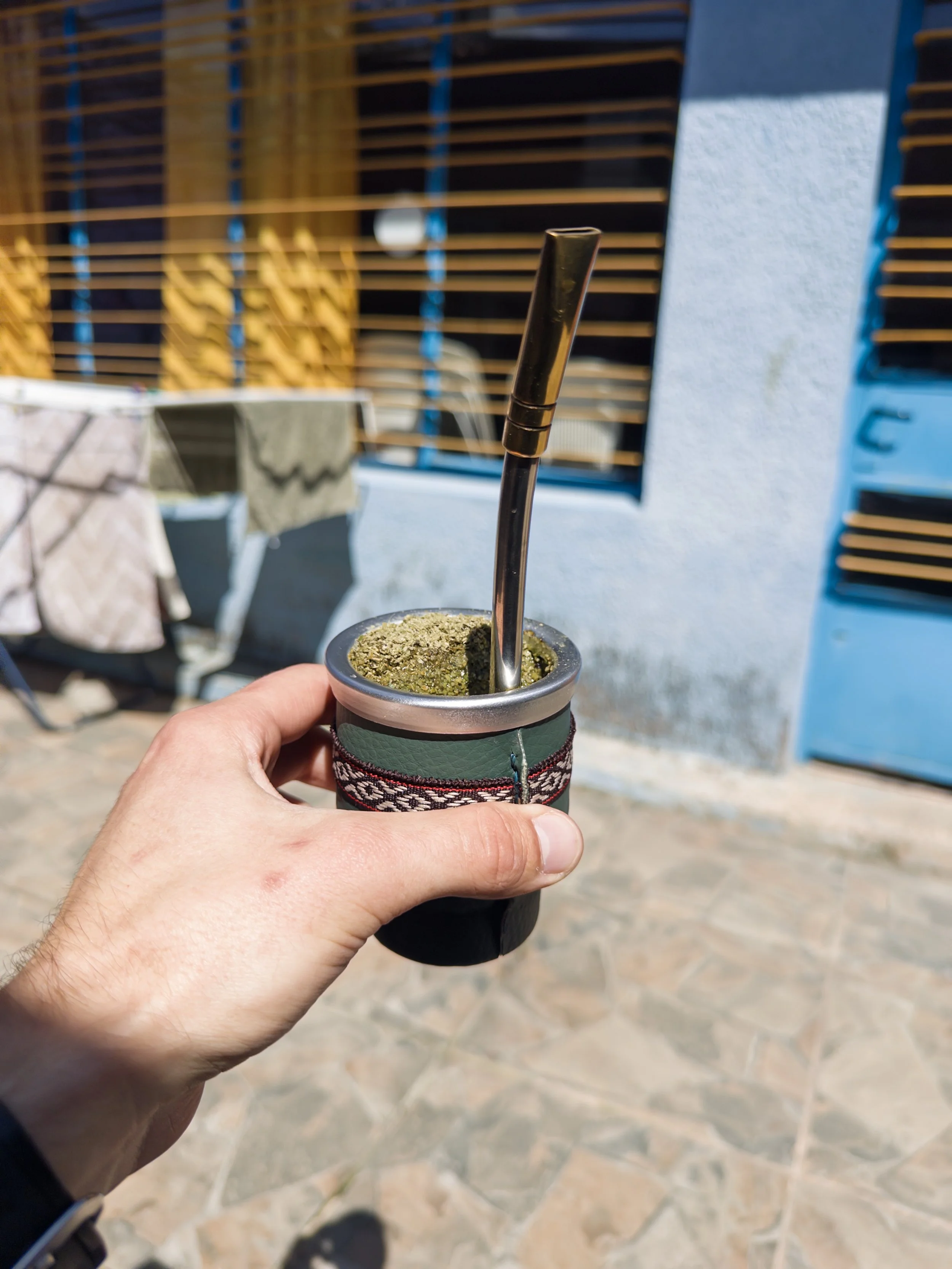
My Starter Mate Set
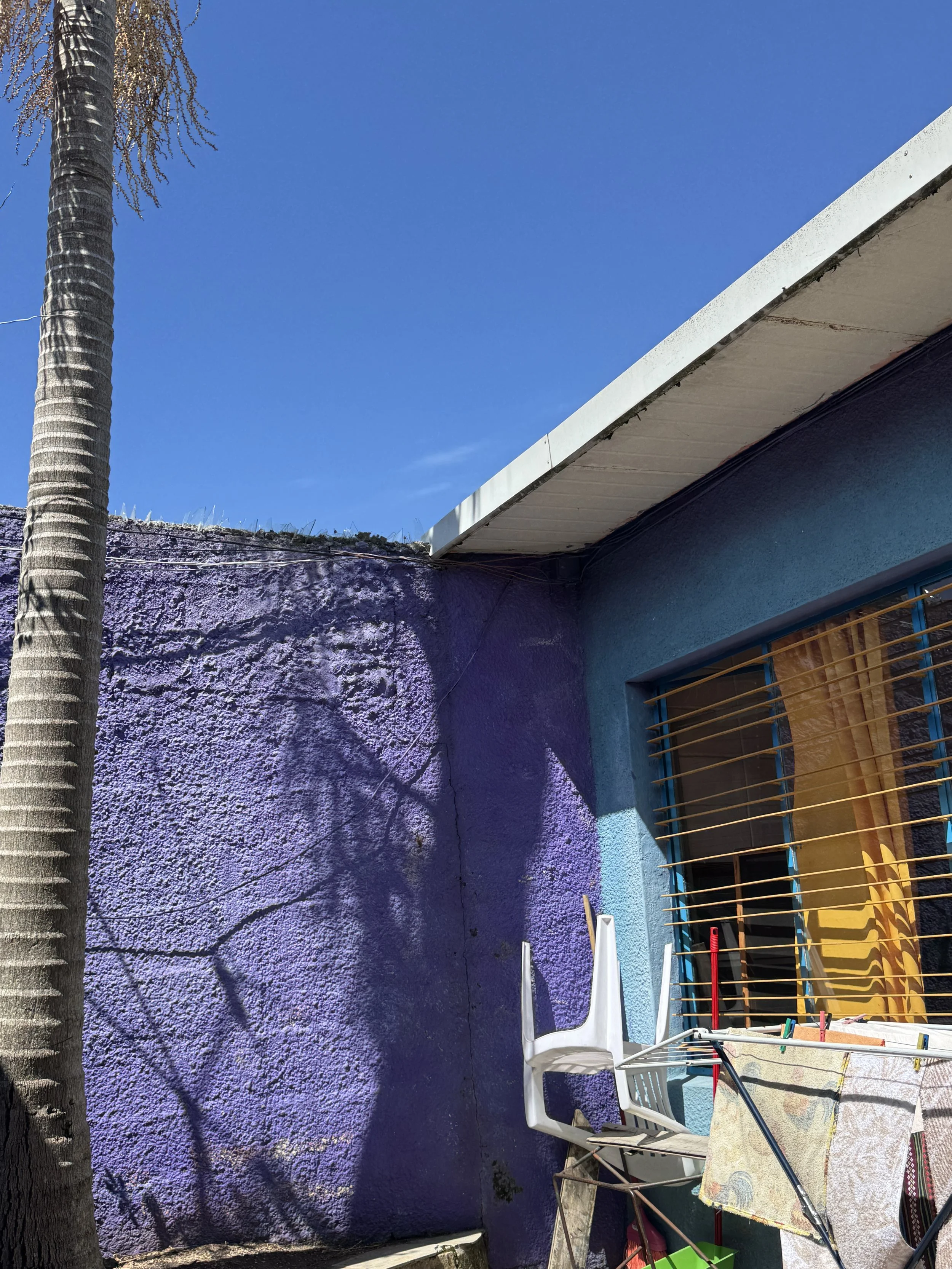
Beaut of a Day
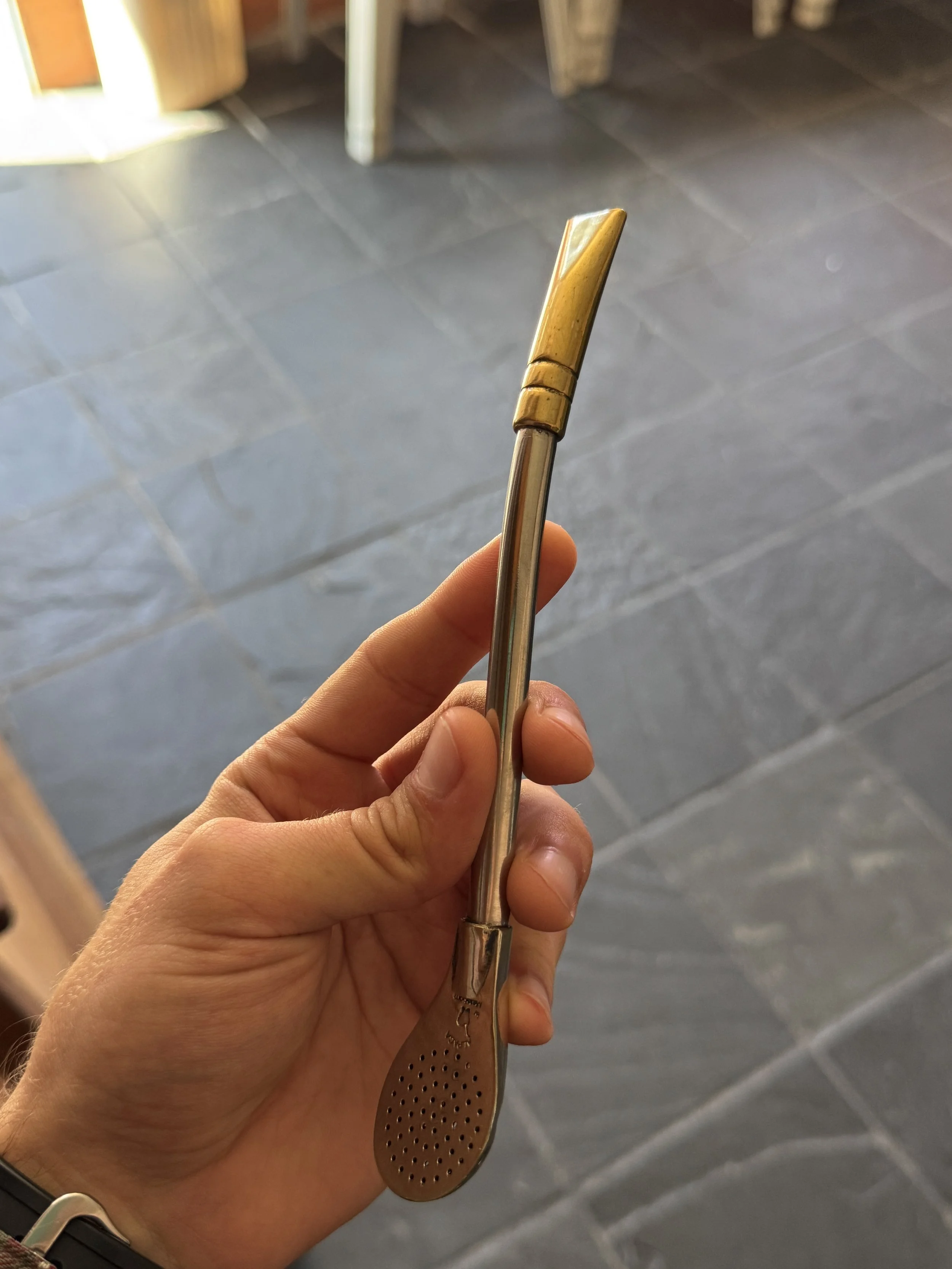
Mi Bombilla
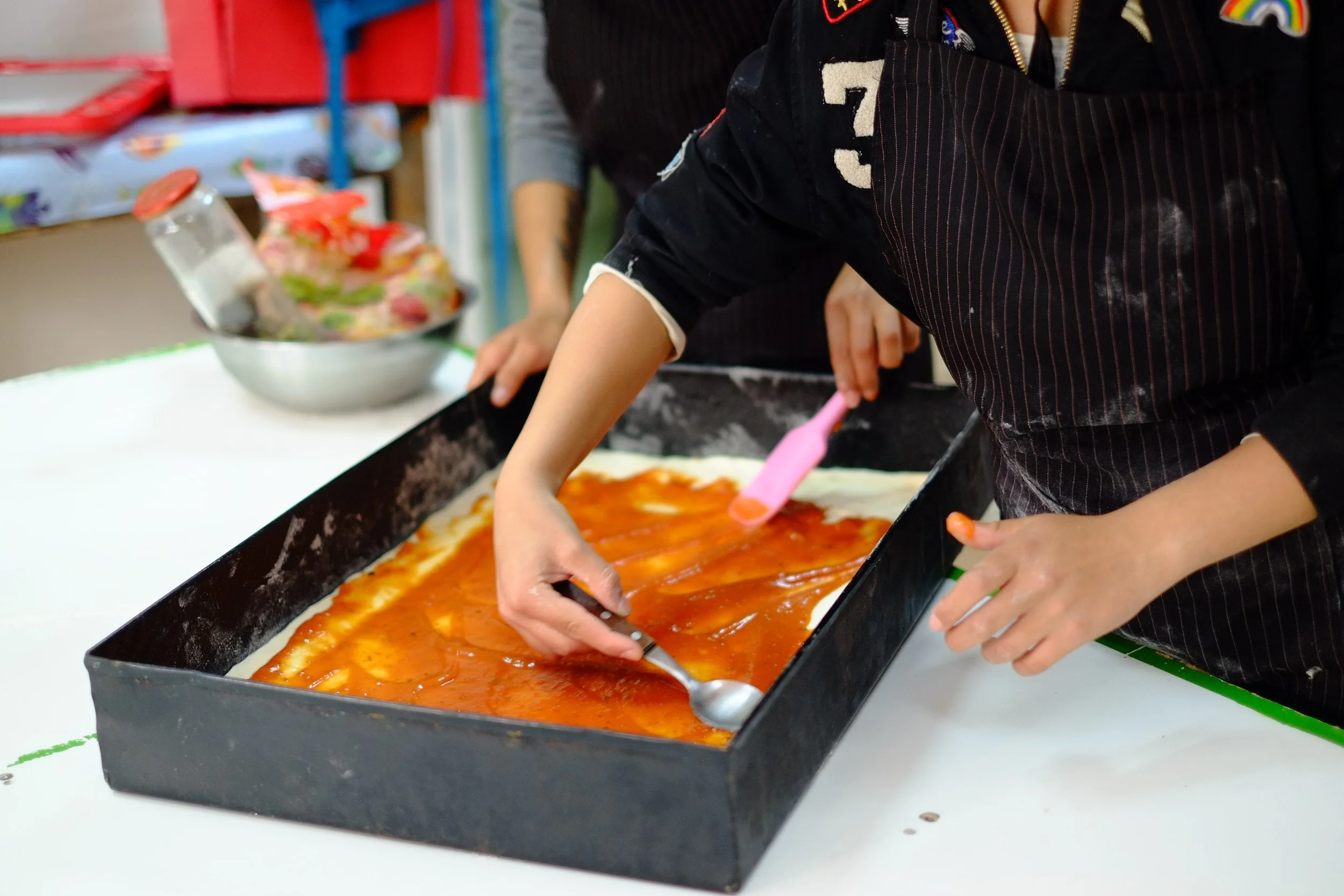
Pizza! Its not required to have cheese here
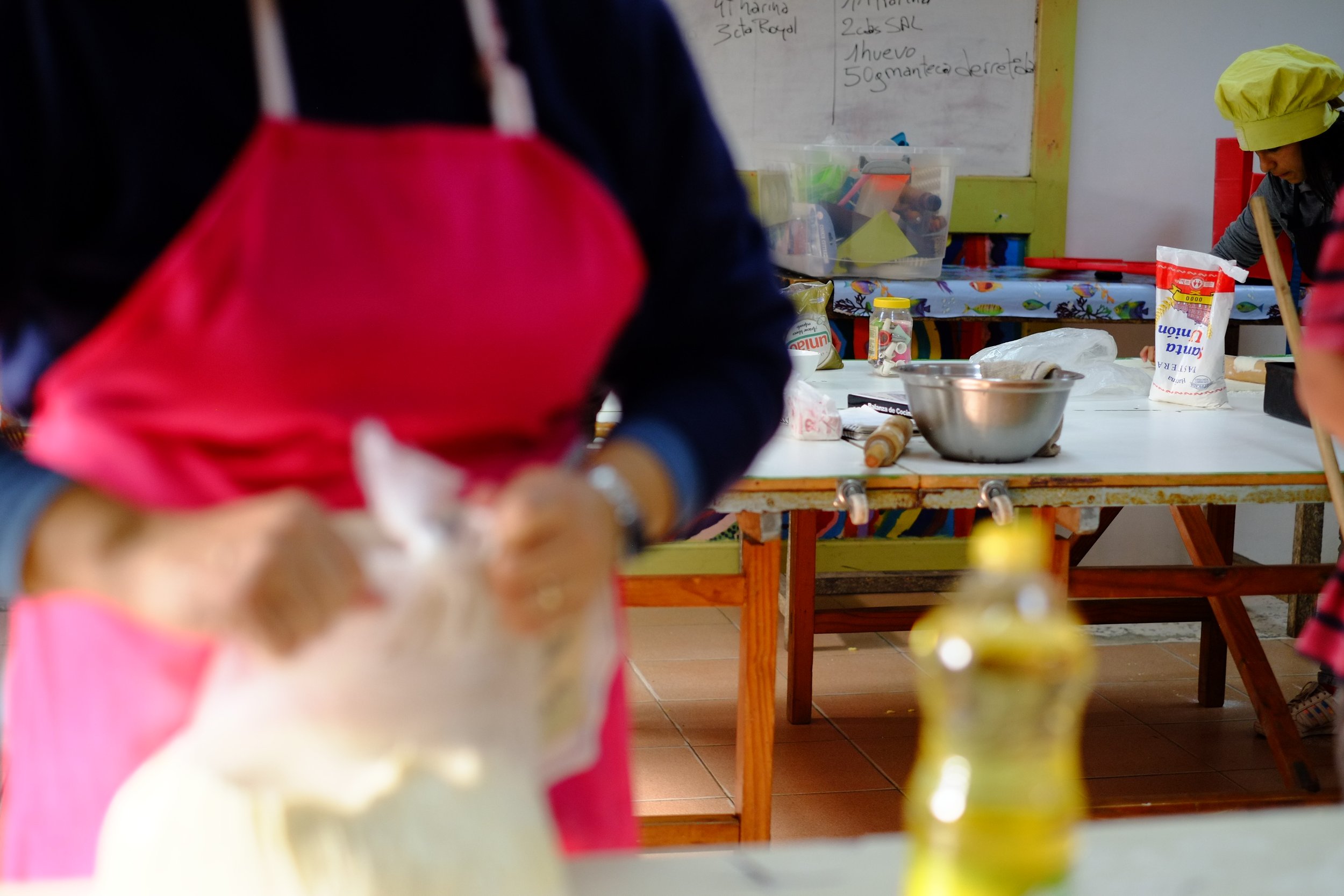
Avoiding face photos for now until I know its fine to share
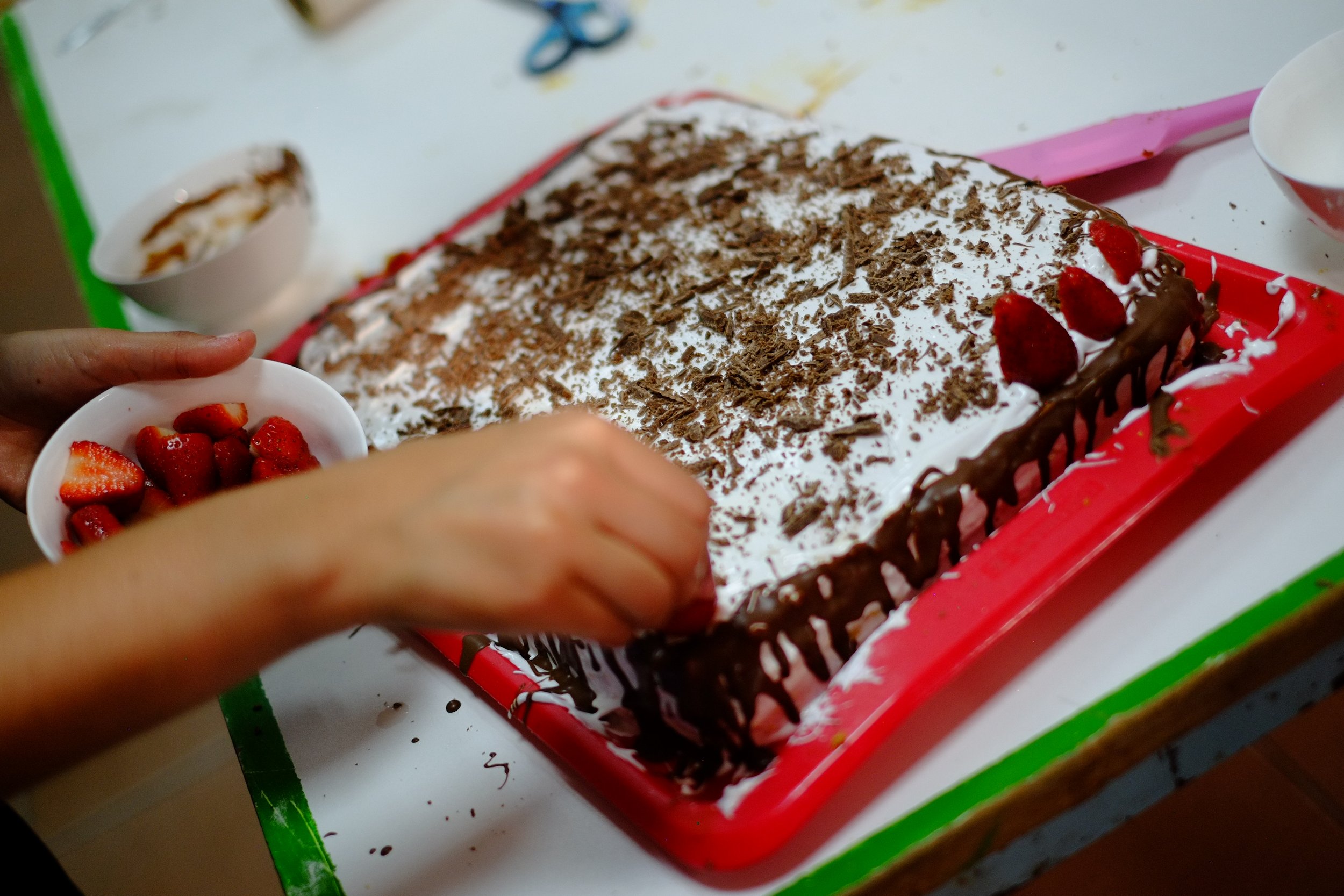
The birthday cake getting decorated
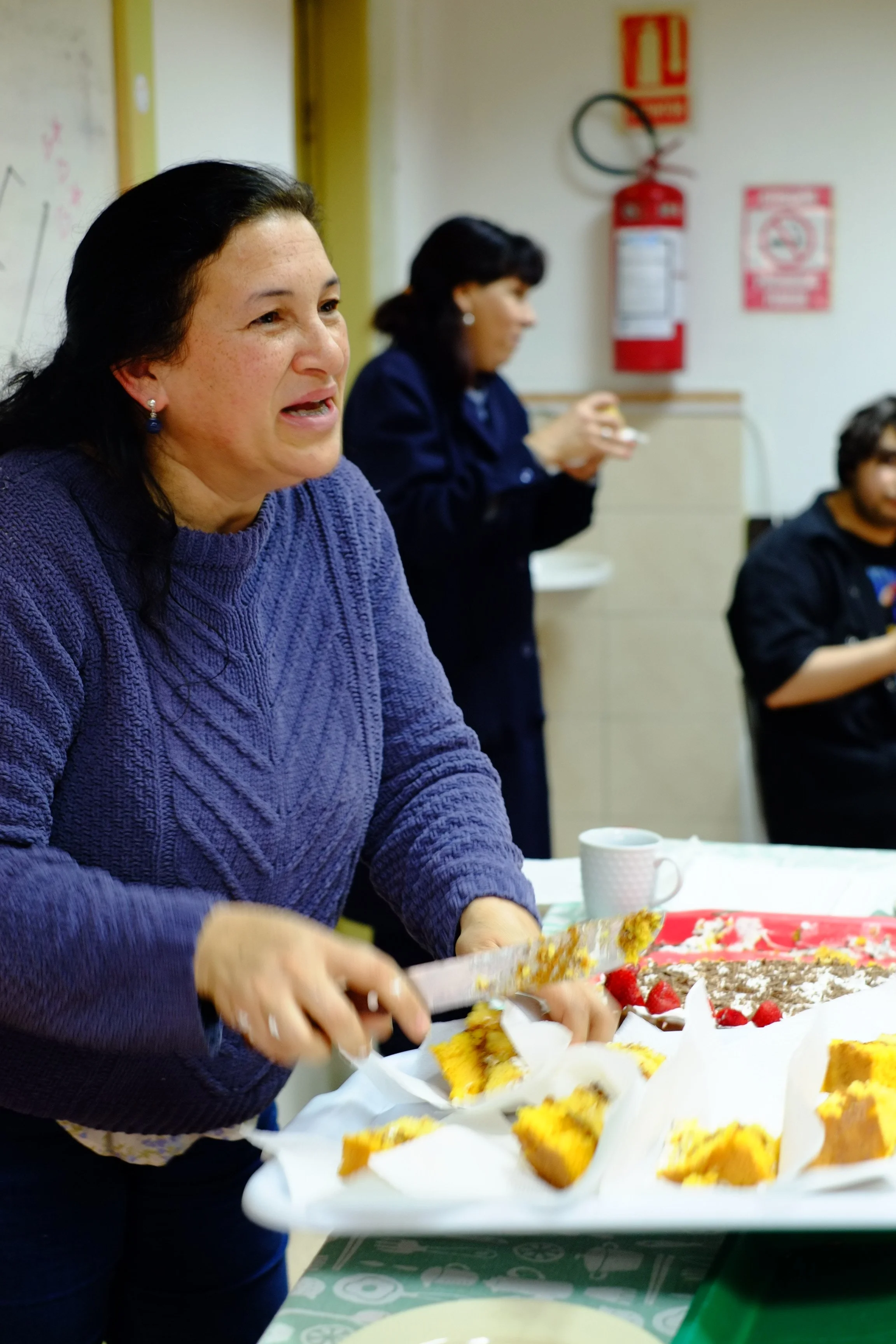
Brenda the leader of the Flor de Maronas center cutting the cake!
Until Next Time
That's Dispatch/Newsletter #1. Six weeks of catch-up in one place. From here, the plan is that dispatches will be more uniform with repeating sections every time as my days and weeks look alot more similar but this one was definitely the exception with how much I had to fit in it,
Thanks for reading this far. I mean it. It’s so evident to me how many people are rooting for me back home and its fun to craft and share these updates.
More soon.
— Jack, writing from Montevideo
Want to support the mission?
Your gifts to Young Adults in Global Mission (YAGM) support ELCA young adults serving in communities around the world for a year of service, accompaniment, and mutual transformation. The program runs on the generosity of people like you.
The YAGM program provides ELCA young adults, ages 21-35, with a life-changing year of service around the world. As the volunteers walk alongside their host communities, they are transformed, engaging in relationships of mutuality, interdependence, solidarity, and trust.
Your donation to an individual YAGM helps support this program. Your gift helps make it possible for our young adults to be formed and informed by our companions and provides an opportunity for young adults to walk with our neighbors around the world every year.
How to give with Card
Visit www.elca.org/yagm/give to donate with a debit or credit card. Select a donation amount and a volunteer’s name from the dropdown menu or make a general gift to YAGM.
Call 800-638-3522 to donate with a credit card. The ELCA Live Call Center Team is ready to assist you Monday through Friday, 8:00 a.m. - 5:00 p.m. CT
How to give by Check
Make checks payable to the “ELCA” with “YAGM” on the memo line. To have your gift designated to an individual YAGM, please include their Giving Code (GCS3626) on the memo line and send to:
Evangelical Lutheran Church in America
P.O. Box 1809
Merrifield, VA
22116-8009
If want to read more about what happened in my YAGM process before this:
